Vehicle Storage Preparation: Protecting Your Car During Extended Absence
By Auto Millennium | AutoCare 360 & VIP Clinic Divisions
Whether it's a summer spent abroad, a seasonal second vehicle, or a collectible car that isn't driven daily, leaving a vehicle unused for weeks or months requires more preparation than simply parking it and walking away — particularly in the UAE's climate. Auto Millennium helps owners prepare vehicles for extended storage so they come back in the same condition they were left in.
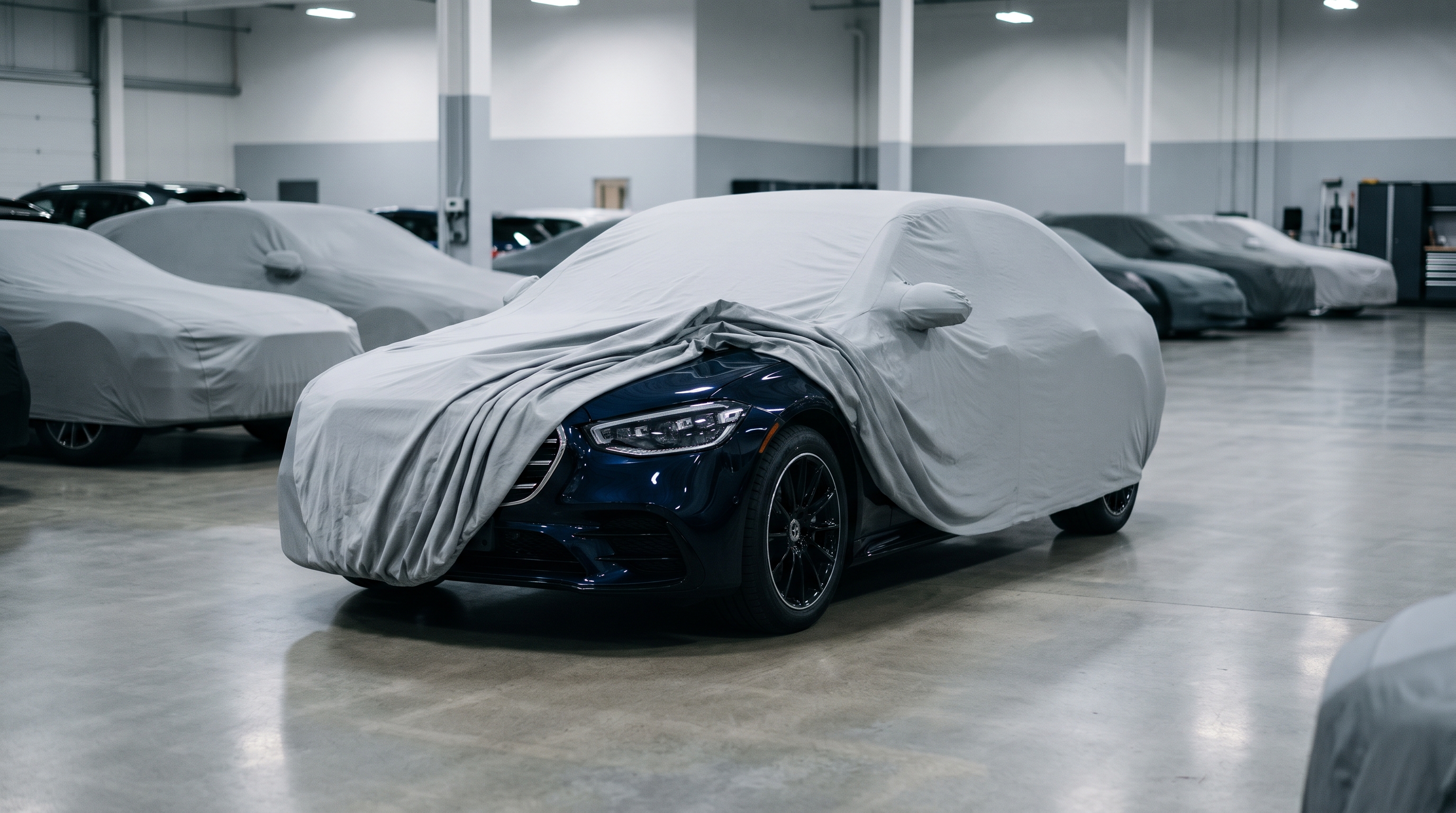
What Can Go Wrong When a Car Sits Unused
- Battery drain: Even with the engine off, small electrical draws can fully drain a battery over weeks or months.
- Flat-spotted tires: Tires sitting in one position for extended periods, especially under heat, can develop flat spots.
- Fluid settling and seal drying: Extended inactivity can affect seals and fluid distribution throughout the vehicle.
- Paint and interior damage: Prolonged sun exposure without proper protection accelerates fading and material degradation.
- Pest or debris intrusion: An unused vehicle, particularly if windows or vents aren't sealed, can attract pests or accumulate dust internally.
Pre-Storage Preparation Checklist
- Full exterior wash and protection: Cleaning the vehicle and applying wax or ceramic coating before storage helps protect the paint during the unused period.
- Interior detailing: A clean interior prevents dust, spills, or odors from setting in over an extended period.
- Fluid check: Confirming oil, coolant, and other fluids are at proper levels before the vehicle sits unused.
- Tire pressure adjustment: Setting tires to the recommended pressure for storage helps reduce the risk of flat-spotting.
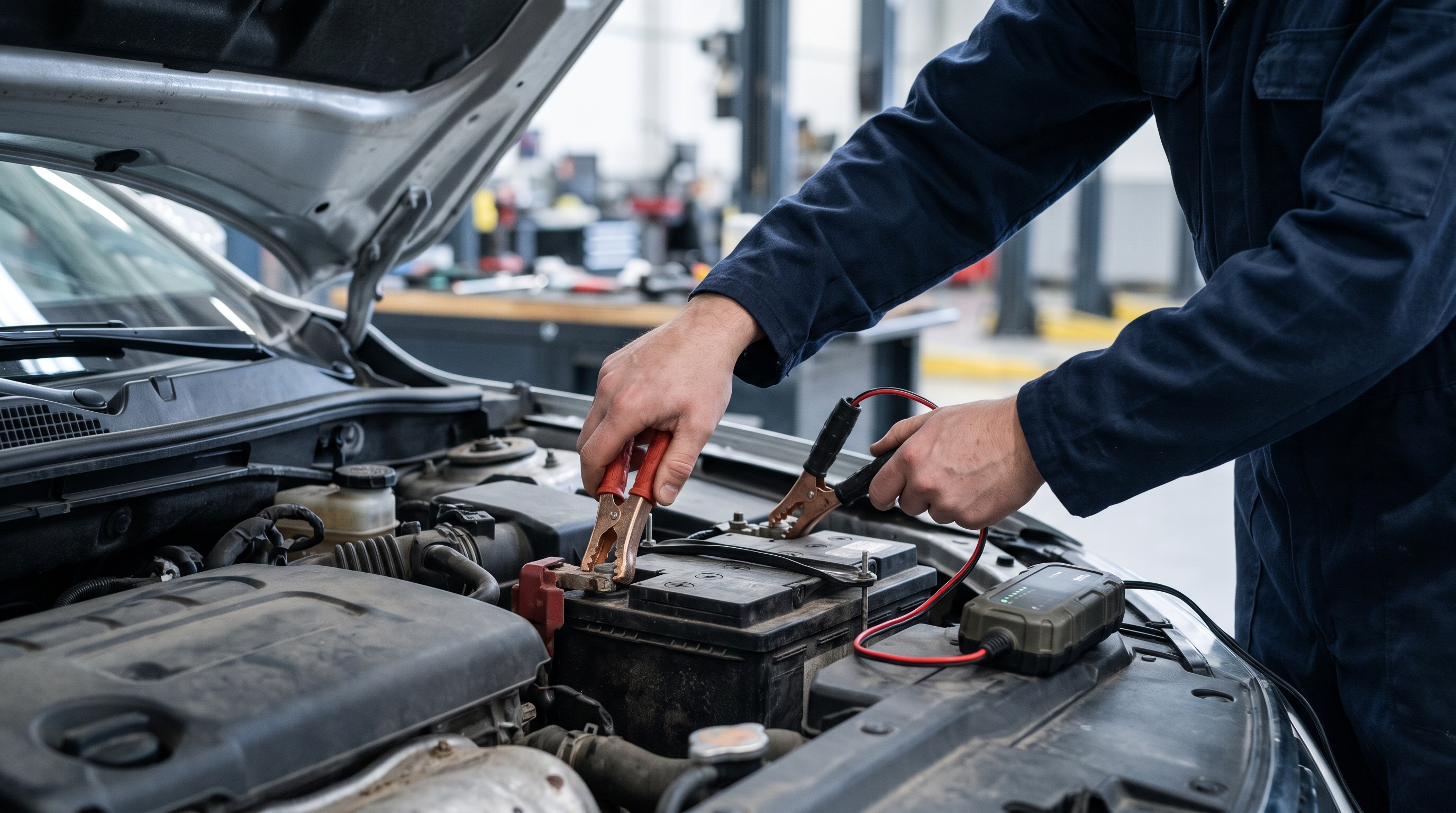
- Battery disconnection or maintainer setup: Preventing the battery from fully draining during the storage period.
- Covered, shaded parking: Storing the vehicle indoors or under proper cover to limit UV and heat exposure.
Common Mistakes to Avoid
- Storing a dirty vehicle: Contaminants left on the paint or interior can cause damage that worsens the longer the vehicle sits.
- Leaving the battery fully connected without a maintainer: This significantly increases the risk of a completely drained, potentially damaged battery.
- Ignoring tire pressure before storage: Incorrect pressure increases the risk of flat-spotting over an extended period.
- Parking in direct, unshaded sun for months: Even under a cover, prolonged direct sun exposure accelerates wear compared to shaded or indoor storage.
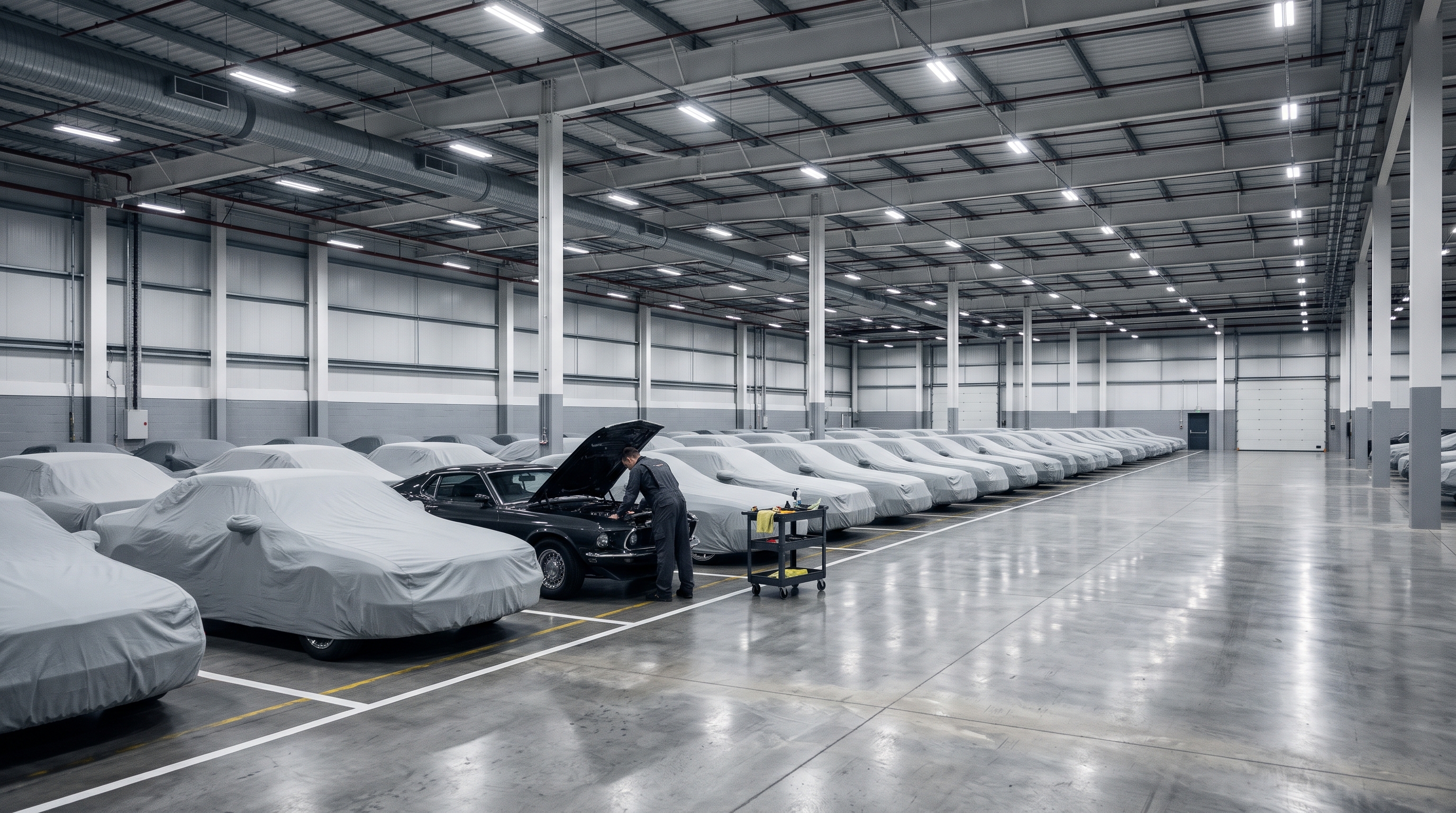
Short-Term vs. Long-Term Storage Preparation
| Storage Duration | Key Preparation Steps |
|---|---|
| A few weeks | Wash and protect exterior, check tire pressure, ensure shaded parking |
| A few months | Above steps, plus battery maintainer and fluid level check |
| Six months or longer | Full detailing, fluid check, tire care, battery disconnection, periodic check-ins |
Frequently Asked Questions
What happens to a car left unused for a long time in the UAE?
Common issues include battery drain, flat-spotted tires from sitting in one position, fluid settling, and paint or interior damage from prolonged sun exposure if the vehicle isn't properly covered or stored.
Should I disconnect the battery before storing a car?
For extended storage, disconnecting the battery or using a battery maintainer helps prevent it from draining completely, which can otherwise shorten the battery's lifespan or leave it unable to start the vehicle later.
How often should a stored vehicle be checked or driven?
Where possible, starting and briefly running the engine every few weeks helps circulate fluids and maintain battery charge. If the vehicle cannot be accessed, a maintainer connected to the battery is a helpful alternative.
Is covered outdoor storage enough, or does it need to be indoors?
Indoor or shaded storage is preferable in the UAE's climate, since prolonged direct sun exposure accelerates paint fading and interior wear even under a car cover.