Ceramic Coating in Dubai: The Complete Guide to Protecting Your Car's Paint
By Auto Millennium | AutoCare 360 Vehicle Protection Division
Ceramic coating is a liquid polymer applied to a vehicle's exterior that chemically bonds with the factory paint to create a hard, protective layer. In Dubai's climate — where intense sun, heat, sand, and road dust are a daily reality — ceramic coating is one of the most effective ways to protect a car's paintwork, preserve resale value, and reduce the time spent on maintenance. At Auto Millennium, ceramic coating is delivered through our AutoCare 360 division, using structured preparation and application processes designed for long-term results.
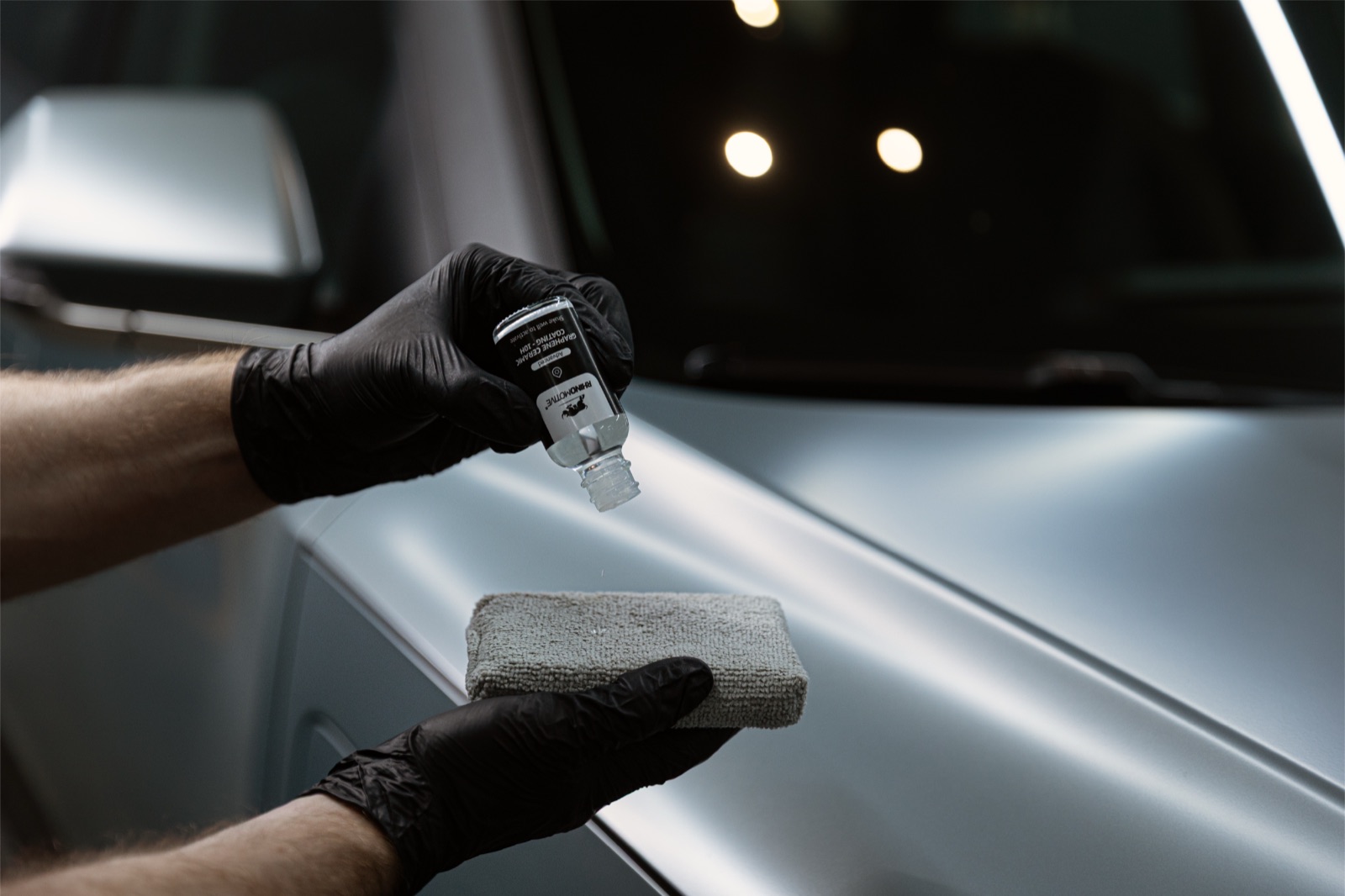
What Ceramic Coating Actually Does
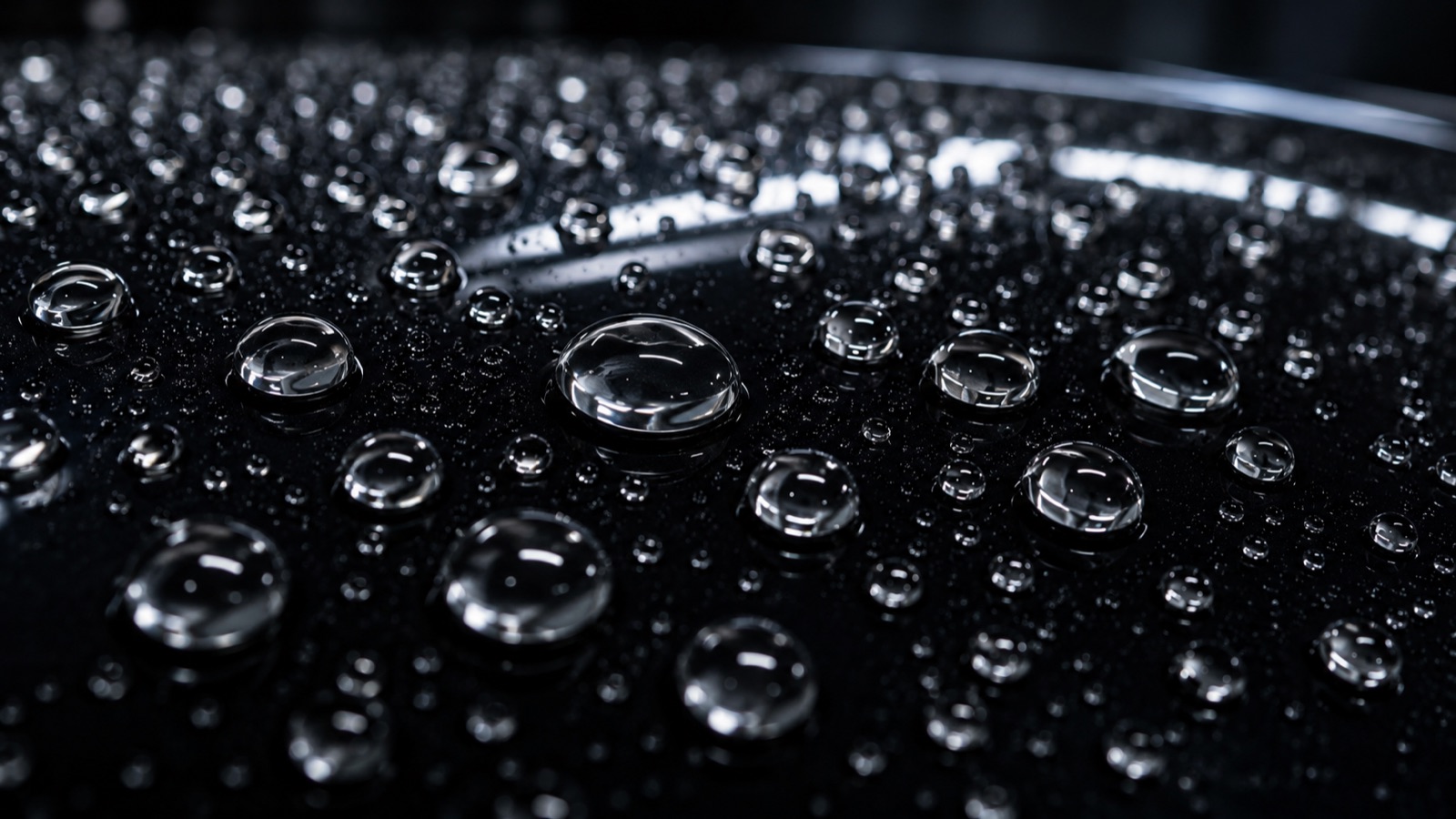
Unlike wax or traditional sealants, which sit on top of the paint and break down within weeks, ceramic coating forms a semi-permanent bond with the clear coat. This creates a hydrophobic surface that causes water, dust, and light contaminants to bead and slide off rather than settle into the paint. The result is a glossier finish, easier washing, and a layer of resistance against everyday environmental stress.
Why Ceramic Coating Matters More in the UAE
Vehicles in the UAE face a combination of conditions that accelerate paint wear faster than in milder climates:
- UV exposure: Prolonged sun intensity can fade and oxidise unprotected paint over time.
- Heat cycles: Repeated heating and cooling can stress the clear coat.
- Sand and dust: Fine particles can cause micro-scratching during washing if the paint isn't protected.
- Water spotting: Mineral-rich water can leave stubborn marks if not properly managed.
A quality ceramic coating helps create a buffer against these factors, which is why it has become a standard protective step for both individual owners and dealerships preparing vehicles for delivery.
Ceramic Coating vs. Paint Protection Film (PPF)
These two services are often confused but solve different problems. Ceramic coating enhances gloss and adds a chemical-resistant, hydrophobic layer, but it does not physically absorb impact. Paint Protection Film (PPF) is a thicker, physical layer designed to guard against stone chips, light scratches, and abrasions. Many owners choose to combine both: PPF on high-impact areas such as the front bumper and bonnet, with ceramic coating applied over the rest of the vehicle — or over the PPF itself — for maximum gloss and protection.
What Affects the Cost and Durability of Ceramic Coating
Not all ceramic coatings are equal, and pricing reflects that. Several factors determine how long a coating lasts and how well it performs:
- Paint preparation: Proper decontamination and, where needed, paint correction before application significantly affects the final result.
- Coating grade: Multi-layer, professional-grade coatings generally outperform single-layer or consumer-grade products.
- Vehicle size and condition: Larger vehicles or those with existing paint damage require more preparation time.
- Post-application care: Correct washing techniques and curing time both extend the life of the coating.
How Auto Millennium Approaches Ceramic Coating
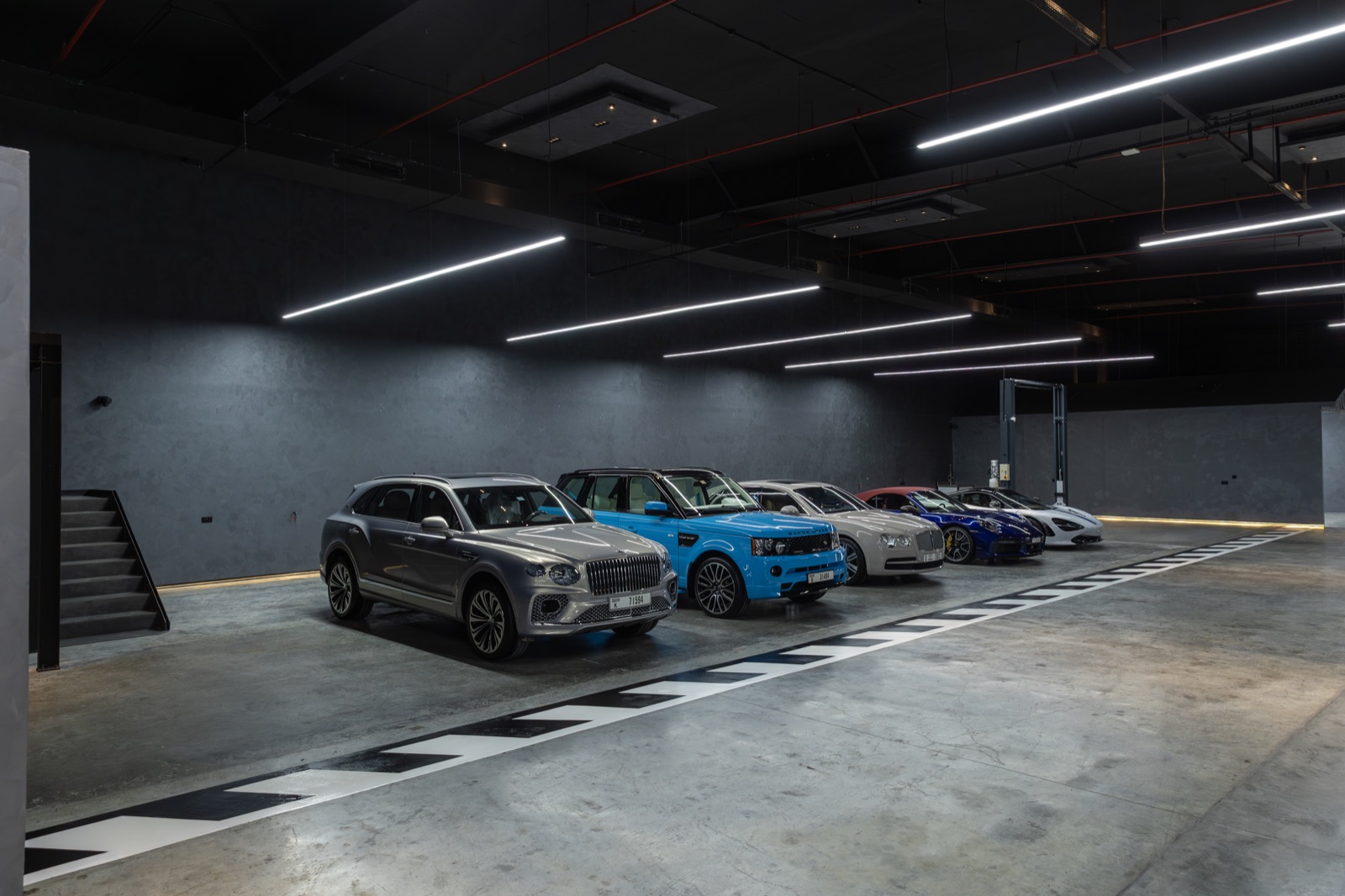
Through AutoCare 360, Auto Millennium applies ceramic coating as part of a broader vehicle care process rather than a standalone add-on. This typically includes a full exterior inspection, paint decontamination, correction where required, and controlled application in a professional environment. For owners of high-value and luxury vehicles, our VIP Clinic division applies the same protective principles with an added focus on the finish standards expected by premium marques such as Ferrari, Lamborghini, Bentley, Rolls-Royce, and Mercedes-Benz.
Maintaining a Ceramic-Coated Vehicle
Ceramic coating reduces maintenance effort, but it does not eliminate it. To get the full lifespan out of a coating, owners should avoid automatic brush car washes, use pH-neutral shampoos, and address bird droppings or tree sap promptly, as these can be more acidic and potentially affect the coating if left for extended periods.
The Ceramic Coating Application Process, Step by Step
Ceramic coating is a precise process, and skipping steps is one of the most common reasons a coating underperforms. A properly executed application generally follows this sequence:
- Wash and decontamination: The vehicle is thoroughly washed, then treated with a clay bar or chemical decontaminant to remove embedded dirt, tar, and industrial fallout that a standard wash won't lift.
- Surface inspection: Technicians inspect the paint under proper lighting to identify swirl marks, scratches, or oxidation that should be addressed before coating.
- Paint correction (if needed): Machine polishing removes surface defects so the coating is applied to the smoothest possible finish, rather than sealing in existing imperfections.
- Panel wipe-down: An isopropyl alcohol or dedicated panel prep solution removes any polishing oils, ensuring the coating bonds directly to the paint.
- Coating application: The ceramic product is applied in controlled sections, using applicator pads, and leveled before it begins to flash.
- Curing: The vehicle is left undisturbed in a controlled environment for the manufacturer-recommended curing period, which can range from several hours to a full day depending on the product.
Rushing any of these steps — particularly decontamination or curing — is the most common cause of a coating that doesn't perform as expected.
Common Mistakes to Avoid With Ceramic Coating
- Skipping paint correction: Applying ceramic coating over swirl marks or scratches locks in those imperfections rather than hiding them.
- Washing too soon after application: Exposing a freshly coated vehicle to water or rain before curing is complete can compromise the bond.
- Using automatic brush car washes: Stiff brushes can introduce fine scratches that dull the coating's gloss over time.
- Assuming the coating is scratch-proof: Ceramic coating adds hardness and chemical resistance, but it does not prevent physical impacts the way PPF does.
- Choosing the lowest-priced option without checking preparation standards: The quality of the coating itself matters less than the preparation work done before it's applied.
Ceramic Coating vs. Wax vs. Paint Sealant
Owners often compare three protection options before deciding: traditional wax, synthetic paint sealant, and ceramic coating. Here's how they differ:
| Protection Type | Typical Lifespan | Gloss Level | Maintenance Effort |
|---|---|---|---|
| Carnauba Wax | 4–8 weeks | Warm, deep shine | High — frequent reapplication |
| Synthetic Paint Sealant | 3–6 months | Clear, glossy | Moderate — periodic reapplication |
| Professional Ceramic Coating | 2–5 years | High-gloss, reflective | Low — routine washing only |
Frequently Asked Questions
How long does ceramic coating last?
Professionally applied ceramic coating typically lasts between two and five years, depending on the product grade, the number of layers applied, and how the vehicle is maintained afterward.
Is ceramic coating worth it in Dubai's climate?
Yes. Dubai's intense UV exposure, heat, sand, and dust make paint protection especially valuable, since ceramic coating helps shield the clear coat from oxidation, minor abrasions, and chemical staining.
Does ceramic coating replace regular car washing?
No. Ceramic coating makes washing easier and reduces how often dirt bonds to the paint, but regular, careful washing is still required to maintain the coating and the vehicle's appearance.
What is the difference between ceramic coating and wax?
Wax sits on top of the paint and wears off within weeks, while ceramic coating chemically bonds to the paint surface and provides a much longer-lasting, more durable layer of protection.
Can I wash my car normally right after ceramic coating is applied?
No. The coating needs a curing period, which varies by product, before it should be exposed to water or washing. Following the recommended curing time is essential for the coating to bond properly.
Does ceramic coating need to be reapplied after paint correction or a repair?
Yes. If a panel is repainted, buffed, or repaired after coating, that section will need fresh application, since the original coating on that panel is typically removed or disturbed during the repair process.