Transmission Service & Repair in Dubai: What Drivers Should Know
By Auto Millennium | Mechanic Clinic – Mechanical Workshop Division
The transmission is one of the most mechanically complex — and most expensive to replace — systems in a vehicle, which makes early detection of problems especially valuable. Auto Millennium's Mechanic Clinic diagnoses transmission issues through a combination of computer diagnostics and hands-on inspection, aiming to catch developing problems before they escalate into a full replacement.
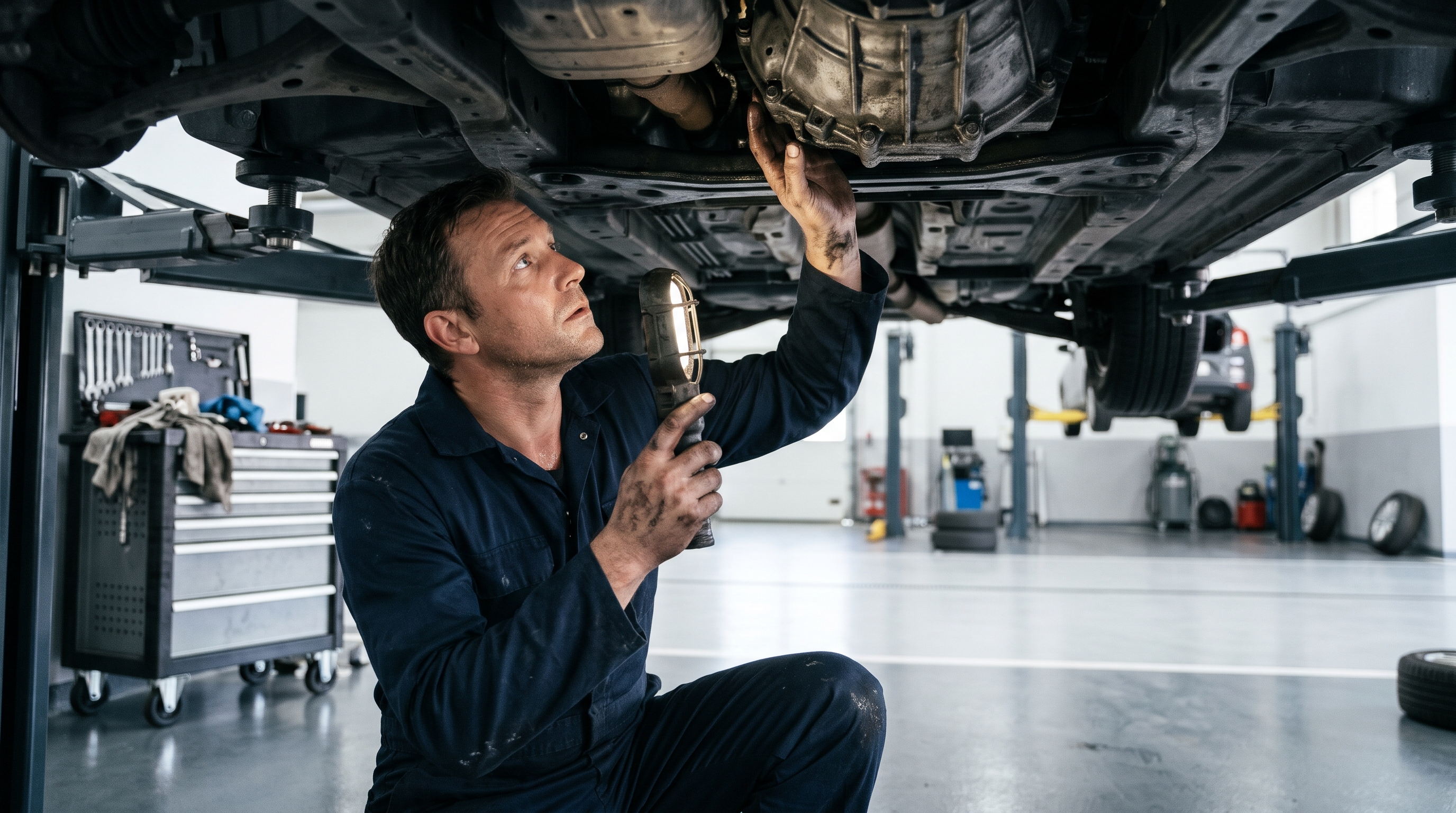
Warning Signs of Transmission Trouble
- Delayed or rough shifting: A noticeable pause or jolt between gear changes often signals developing transmission wear.
- Slipping gears: The engine revs without a corresponding increase in speed, indicating the transmission isn't engaging properly.
- Unusual noises: Whining, clunking, or grinding sounds during shifting are worth investigating promptly.
- Burning smell: Often linked to overheating transmission fluid, which can accelerate internal wear if not addressed.
- Fluid leaks: Reddish or brownish fluid under the vehicle can indicate a transmission fluid leak.
Automatic vs. Manual Transmission Care
While both transmission types need periodic fluid checks and servicing, automatic transmissions are generally more complex internally, with more components that can wear or fail. Manual transmissions have fewer moving parts but still require clutch inspection and fluid maintenance to perform reliably over time.
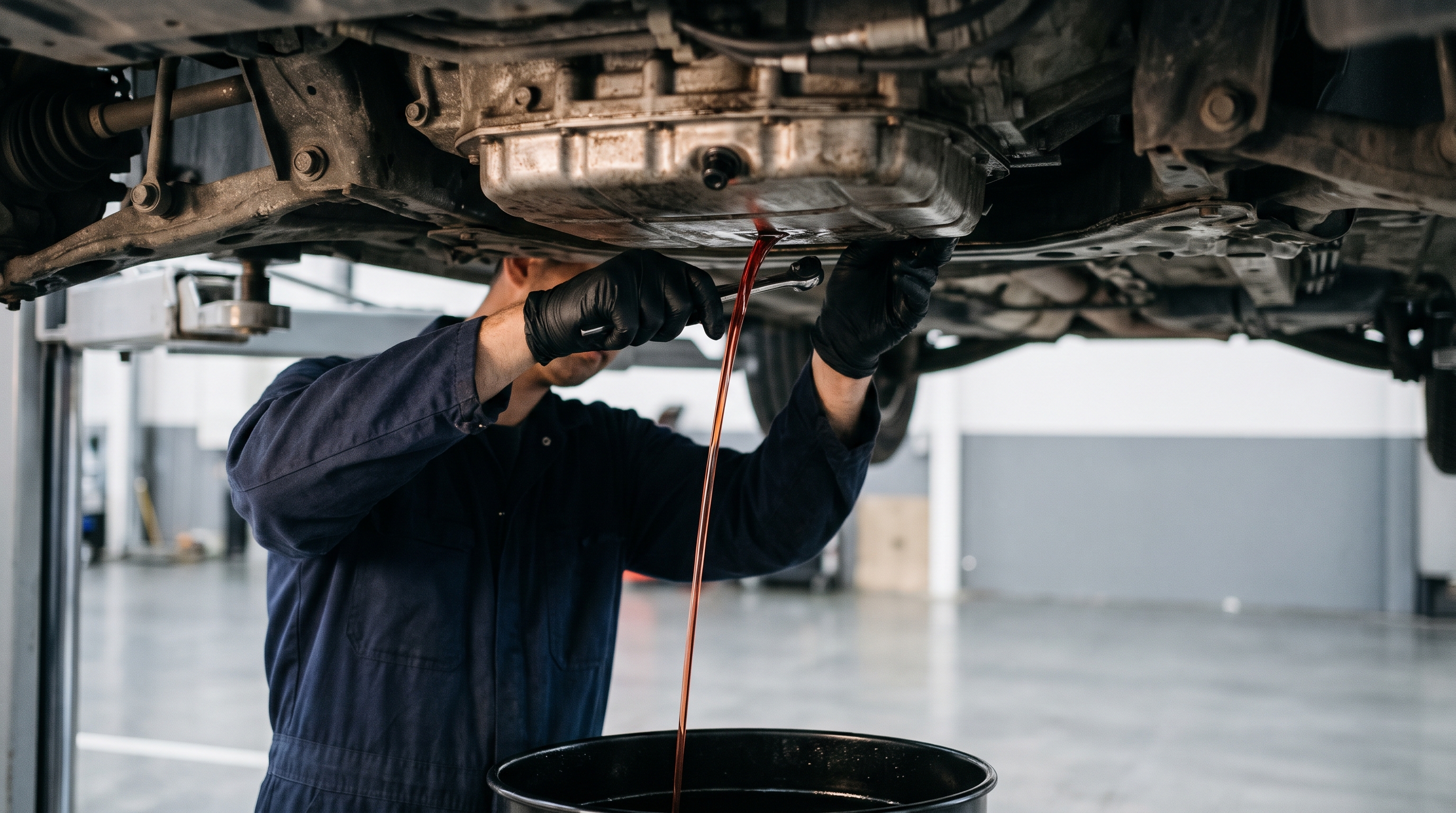
The Transmission Diagnostic Process, Step by Step
- Symptom review: Understanding when shifting issues occur — cold starts, specific gears, under load, and so on.
- Computer diagnostic scan: Checking for transmission-related fault codes stored in the vehicle's system.
- Fluid inspection: Assessing transmission fluid level, color, and smell for signs of degradation or overheating.
- Road test: Evaluating shifting behavior directly under real driving conditions.
- Repair or service: Addressing the identified issue, from a fluid change to component-level repair.
Common Mistakes to Avoid
- Ignoring early slipping or delayed shifts: These are often the first signs of a developing issue that's more manageable when caught early.
- Skipping fluid changes: Old, degraded transmission fluid loses its ability to lubricate and cool internal components effectively.
- Towing beyond the vehicle's rated capacity: This places excessive strain on the transmission and can accelerate wear significantly.
- Assuming all transmission noise means replacement is needed: Many issues are repairable if diagnosed and addressed early, rather than requiring a full replacement.
Transmission Symptom Reference Table
| Symptom | Likely Cause |
|---|---|
| Delayed engagement into gear | Low or degraded transmission fluid |
| Slipping between gears | Worn internal components or fluid issue |
| Burning smell | Overheating transmission fluid |
| Grinding during shifts (manual) | Worn clutch or synchronizer components |
Frequently Asked Questions
What are the warning signs of a transmission problem?
Common signs include delayed or rough gear shifts, slipping between gears, unusual noises during shifting, a burning smell, or the transmission warning light appearing on the dashboard.
How often should transmission fluid be changed?
This varies by vehicle and transmission type, but many manufacturers recommend a check or change every 40,000 to 100,000 kilometers. Heavy stop-and-go driving in heat can shorten this interval.
Can a transmission be repaired, or does it always need replacing?
Many transmission issues, especially those caught early, can be repaired by addressing the specific faulty component. A full replacement is typically reserved for more extensive internal damage.
Does driving style affect transmission lifespan?
Yes. Aggressive acceleration, frequent heavy towing, and consistent stop-and-go traffic all place additional stress on the transmission, which can shorten its lifespan compared to more moderate driving habits.