Paint Correction in Dubai: Restoring Your Car's Finish
By Auto Millennium | AutoCare 360 & VIP Clinic Divisions
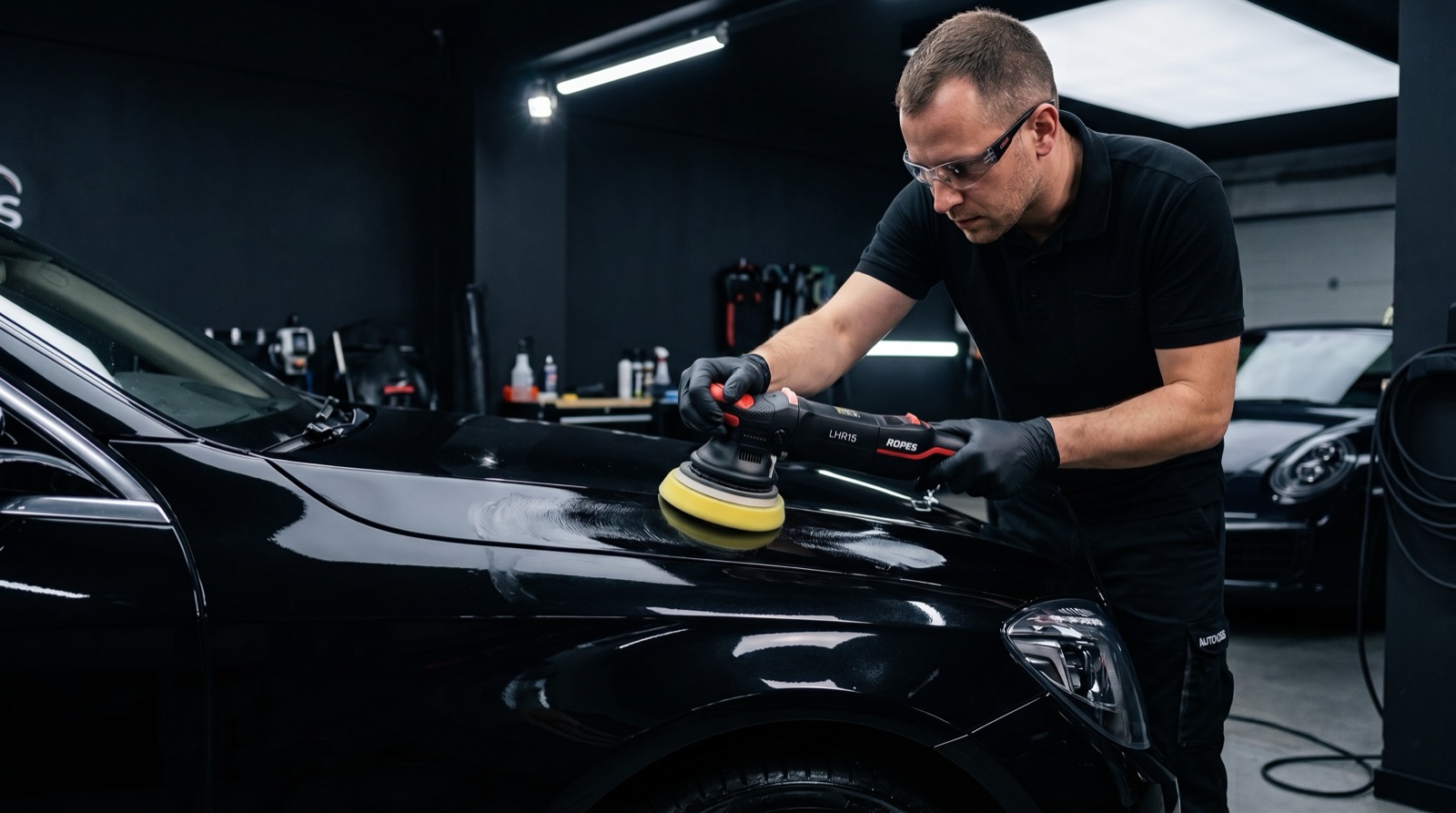
Over time, every vehicle's paint accumulates swirl marks, light scratches, and oxidation from washing, environmental exposure, and everyday use. Paint correction is the machine-polishing process that removes these surface imperfections and restores the paint's original clarity and gloss. It's often the essential first step before ceramic coating or PPF, since protecting imperfect paint simply locks the flaws in rather than fixing them.
What Causes Paint Imperfections
- Improper washing techniques: Dirty wash mitts or automatic brush washes introduce fine swirl marks over time.
- Environmental exposure: UV rays, heat, and airborne contaminants can dull and oxidize unprotected paint.
- Sand and dust: Fine particles can cause micro-scratching, particularly during washing or wiping.
- Age and lack of protection: Paint without a protective layer is more exposed to gradual wear and oxidation.
Levels of Paint Correction
Paint correction isn't a single fixed service — it's typically offered in stages depending on how much correction the paint needs:
- Single-stage polish: A lighter correction that improves gloss and removes minor imperfections, suited to paint in relatively good condition.
- Two-stage correction: Combines a cutting compound to remove moderate swirls and scratches with a finishing polish for maximum clarity.
- Multi-stage correction: A more intensive process for heavily swirled or oxidized paint, using progressively finer compounds to achieve the best possible finish.
The Paint Correction Process, Step by Step
- Wash and decontamination: The vehicle is thoroughly cleaned and clay-treated to remove embedded contaminants before polishing begins.
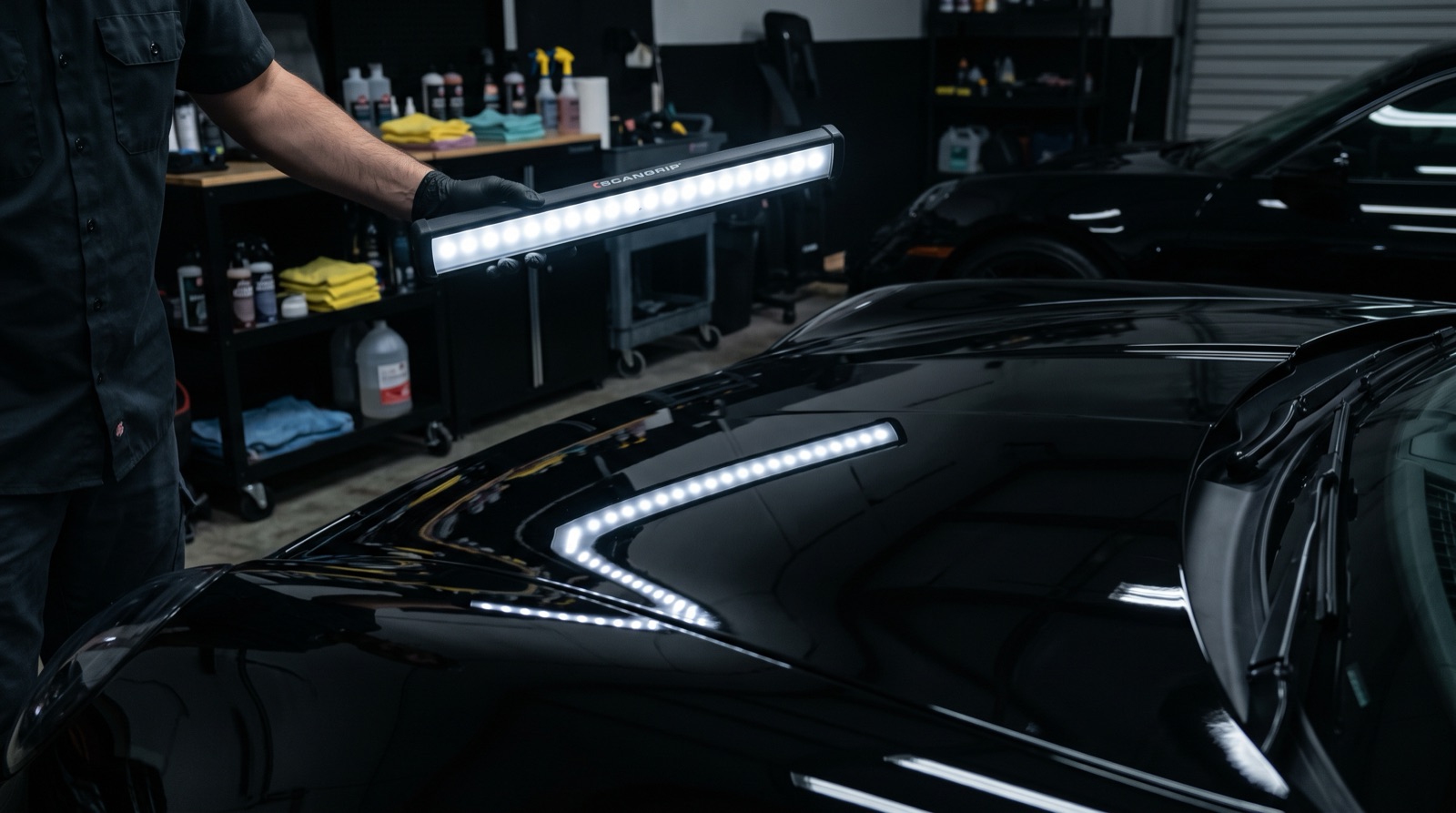
- Paint inspection: Technicians assess the paint under controlled lighting to determine the correction level needed.
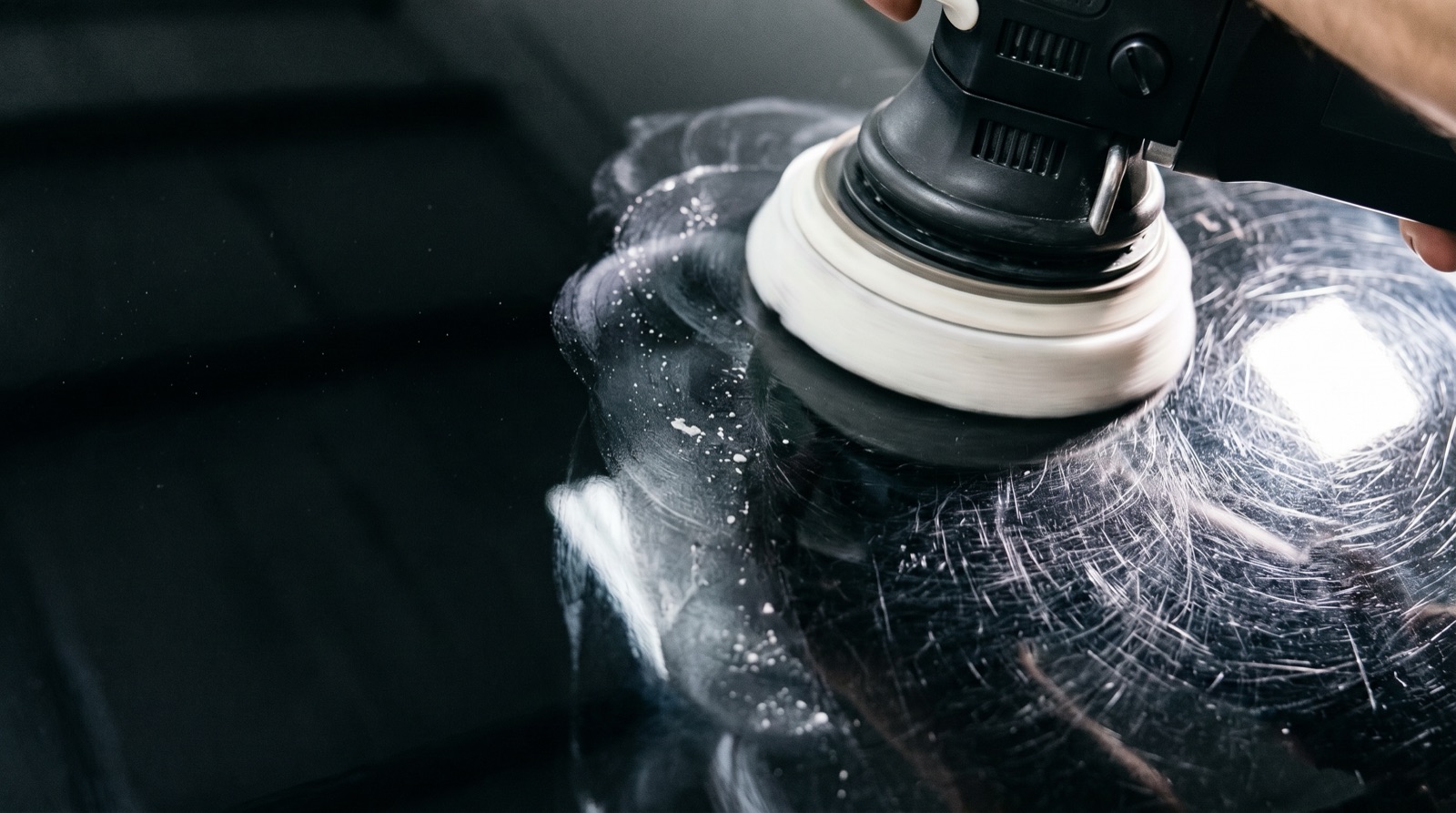
- Test spot: A small area is polished first to confirm the right compound and pad combination for the vehicle's paint.
- Machine polishing: Compounds are worked across each panel using a dual-action or rotary polisher to remove imperfections.
- Finishing polish: A final, finer polish enhances clarity and gloss after correction.
- Panel wipe-down and inspection: Residue is removed and the finish is reviewed under proper lighting before completion.
Common Mistakes to Avoid
- Skipping the test spot: Jumping straight to full correction without testing can lead to uneven results or excessive paint removal.
- Over-correcting thin paint: Aggressive compounding on paint with a thin clear coat can cause damage; experienced technicians assess paint thickness before proceeding.
- Applying protection over uncorrected paint: Ceramic coating or wax applied before correction seals in existing swirls and scratches.
- Choosing correction based on price alone: A rushed, underpriced correction often means fewer stages or less thorough technique, leaving imperfections behind.
Correction Level Comparison
| Correction Level | Addresses | Typical Duration |
|---|---|---|
| Single-Stage Polish | Minor swirls, light dullness | Half a day |
| Two-Stage Correction | Moderate swirls and scratches | Full day |
| Multi-Stage Correction | Heavy swirling, oxidation, deeper imperfections | One to two days |
Pairing Paint Correction With Protection
Once paint is corrected, it's in its most vulnerable state — freshly polished and without a protective layer. This is why paint correction is most commonly paired immediately with ceramic coating or PPF, locking in the restored finish before new contaminants or UV exposure can affect it again.
Frequently Asked Questions
What is paint correction?
Paint correction is a machine polishing process that removes swirl marks, light scratches, oxidation, and other surface imperfections from a vehicle's clear coat, restoring gloss and clarity to the paint.
Is paint correction necessary before ceramic coating?
It's strongly recommended. Applying ceramic coating over uncorrected paint locks in existing swirl marks and imperfections, so correcting the paint first ensures the coating is applied to the best possible surface.
Does paint correction remove all scratches?
It removes light to moderate surface scratches and swirl marks that sit within the clear coat. Deeper scratches that penetrate through the clear coat into the base paint typically require touch-up paint or a respray rather than correction alone.
How long does a paint correction service take?
Duration depends on the paint's condition and the correction level required, ranging from several hours for a light polish to a full day or more for a multi-stage correction on a heavily swirled vehicle.