Cooling System Service in Dubai: Preventing Overheating
By Auto Millennium | Mechanic Clinic – Mechanical Workshop Division
An engine's cooling system works constantly to keep operating temperatures within a safe range — a task that becomes significantly harder when ambient temperatures regularly exceed 45°C. Overheating is one of the most damaging things that can happen to an engine, which makes proactive cooling system care one of the most valuable forms of preventive maintenance for vehicles in the UAE.
How the Cooling System Works
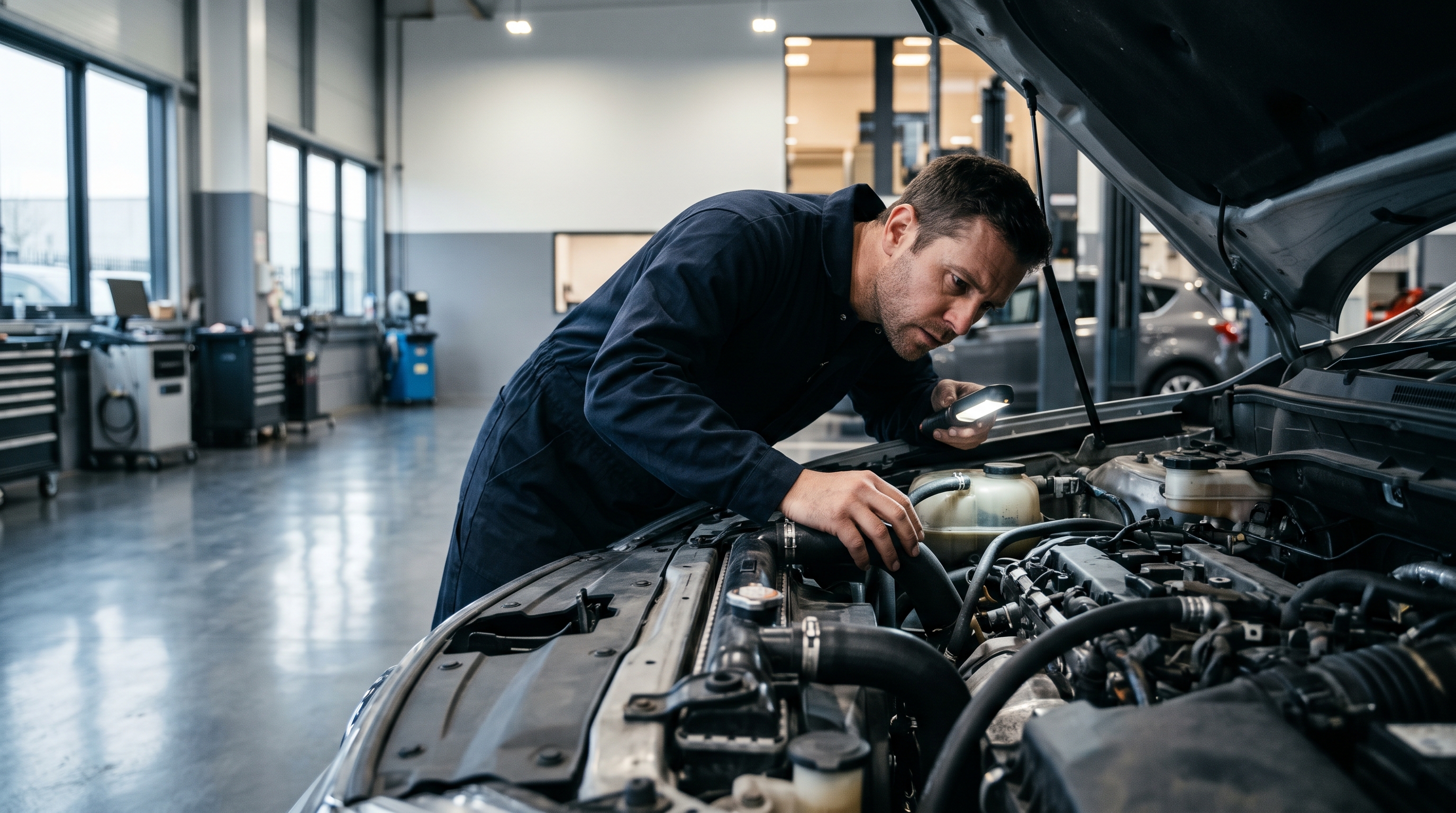
Coolant circulates through the engine, absorbing excess heat, before passing through the radiator where that heat is released into the air. A thermostat regulates coolant flow to maintain a consistent operating temperature, while the water pump keeps coolant moving through the system. If any single component in this chain fails — a leak, a clogged radiator, a stuck thermostat — the entire system's effectiveness drops.
Common Causes of Overheating
- Low or leaking coolant: Reduces the system's overall capacity to absorb and dissipate heat.
- Failing radiator: A clogged or damaged radiator can't release heat efficiently.
- Stuck thermostat: A thermostat stuck closed restricts coolant flow, causing rapid temperature buildup.
- Worn water pump: A failing pump reduces coolant circulation throughout the engine.
- Damaged hoses or belts: Cracked hoses or worn belts can disrupt coolant flow entirely.
The Cooling System Inspection Process
- Coolant level and condition check: Verifying the coolant is at the correct level and hasn't degraded.
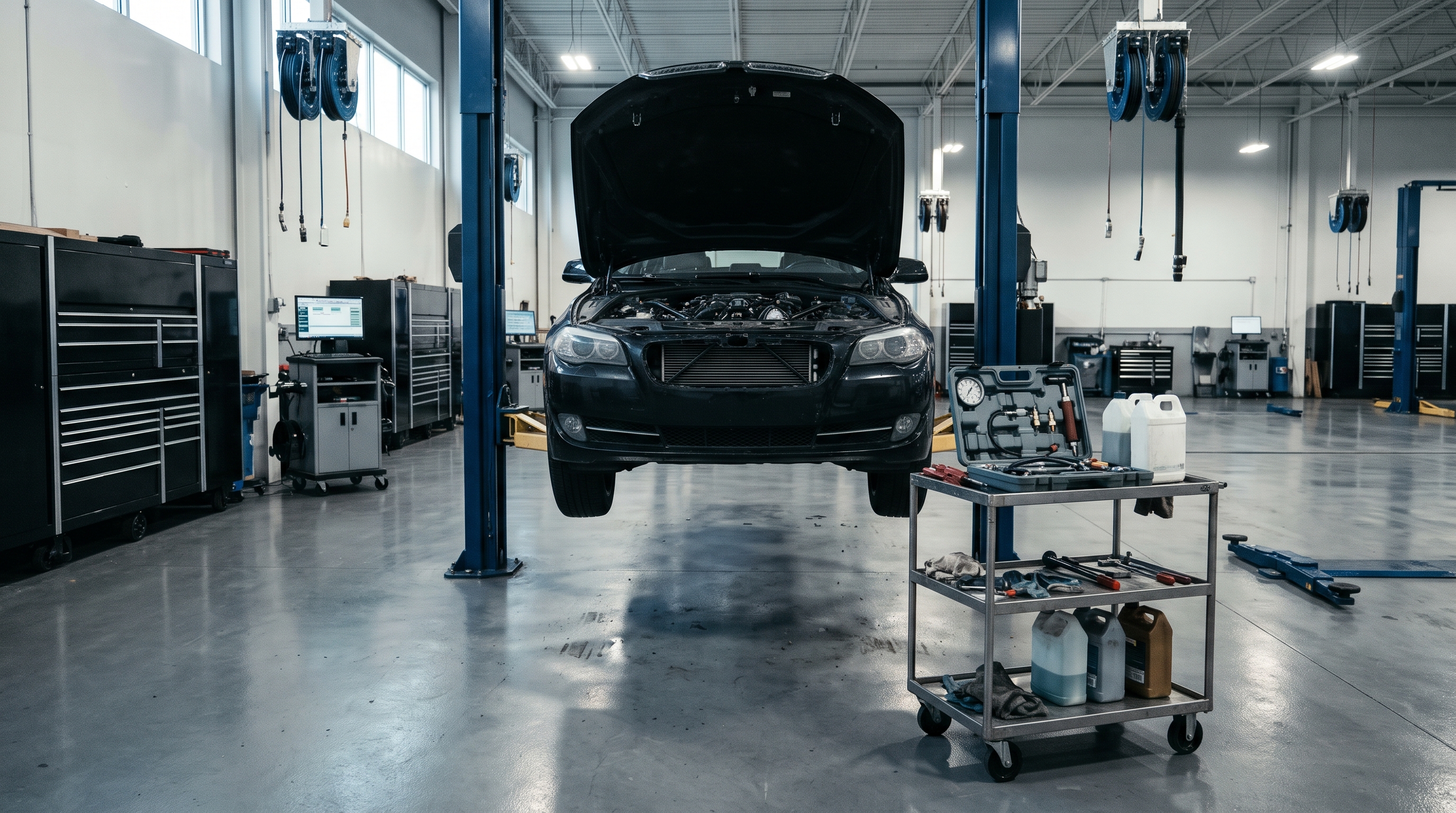
- Pressure test: Checking the system for leaks under pressure, since small leaks aren't always visible at rest.
- Radiator inspection: Checking for blockages, damage, or reduced airflow through the radiator fins.
- Thermostat and water pump check: Confirming both components are functioning correctly.
- Hose and belt inspection: Reviewing for cracking, wear, or looseness that could affect coolant circulation.
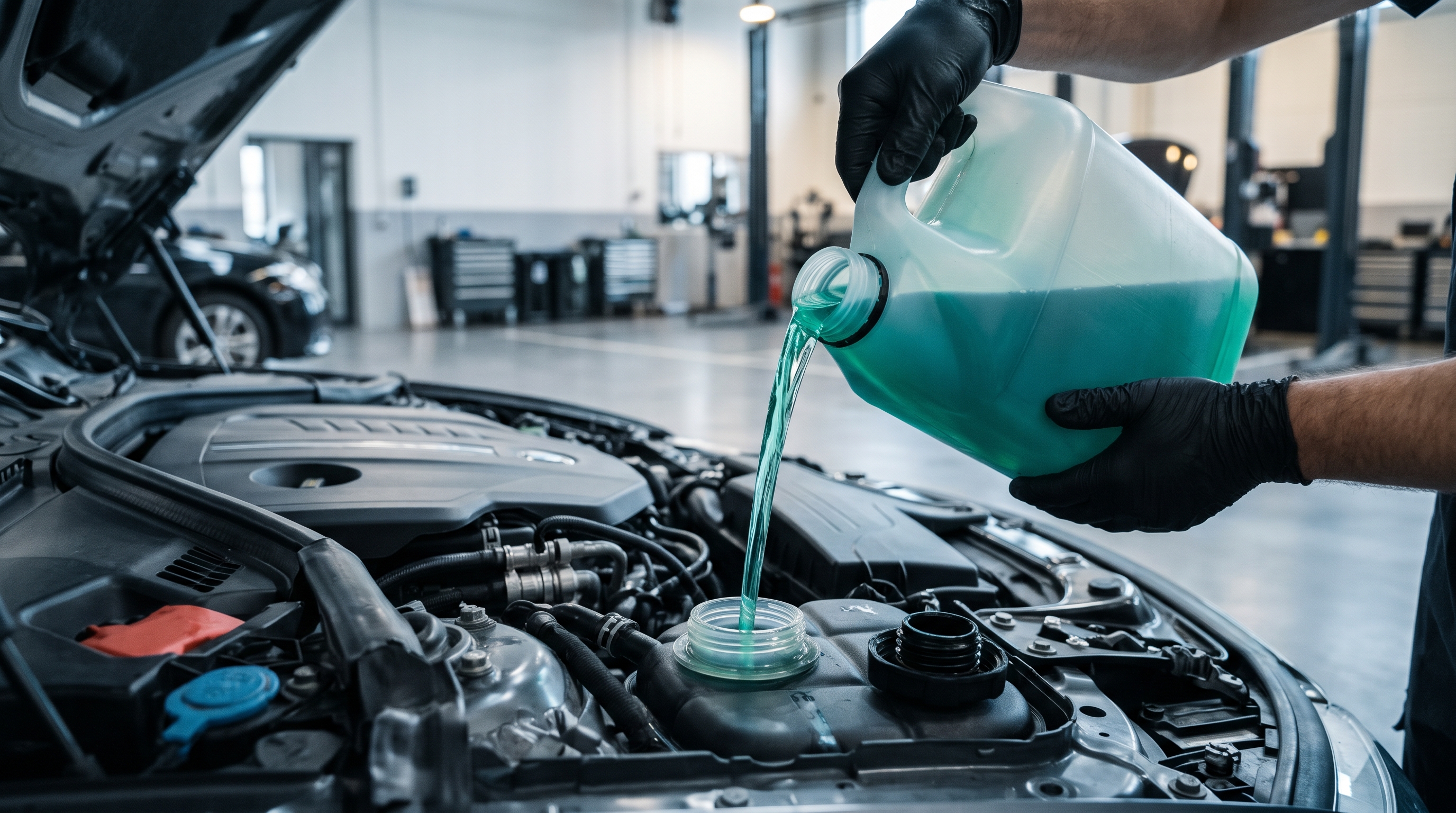
- Coolant flush and refill (if needed): Replacing old coolant with fresh fluid of the correct specification.
Common Mistakes to Avoid
- Ignoring a slowly rising temperature gauge: A gradual increase often indicates a developing issue that's easier to fix before it becomes an emergency.
- Opening a hot radiator cap: This can cause serious burns from pressurized, superheated coolant — the system should always be allowed to cool first.
- Mixing incompatible coolant types: Different coolant formulations can react poorly when mixed, reducing overall effectiveness.
- Continuing to drive after overheating once: A single overheating event can cause damage that isn't immediately obvious but worsens with continued driving.
Cooling System Warning Signs
| Warning Sign | Likely Cause |
|---|---|
| Temperature gauge rising toward red | Reduced coolant flow or low coolant level |
| Sweet smell from the engine bay | Coolant leak |
| Steam from under the hood | Active overheating — pull over immediately |
| Puddle of colored fluid under the car | Coolant leak from a hose, radiator, or seal |
Frequently Asked Questions
What causes a car engine to overheat?
Common causes include low or leaking coolant, a failing radiator, a malfunctioning thermostat, a broken water pump, or a clogged cooling system that can't circulate coolant effectively, especially under sustained high heat.
How often should coolant be replaced?
This varies by vehicle and coolant type, but many manufacturers recommend coolant replacement every two to five years, with more frequent checks recommended for vehicles regularly driven in extreme heat.
Is it safe to keep driving if the temperature gauge is rising?
No. Continuing to drive with a rising temperature gauge risks serious engine damage. It's safer to pull over, let the engine cool, and have the cooling system inspected before continuing.
Can I just add water instead of coolant in an emergency?
Plain water can be used as a short-term emergency measure to avoid immediate overheating, but it lacks the corrosion protection and boiling-point properties of proper coolant, so the system should be flushed and refilled with the correct coolant as soon as possible.