Window Tinting in Dubai: What Every Car Owner Should Know
By Auto Millennium | AutoCare 360 Vehicle Protection Division
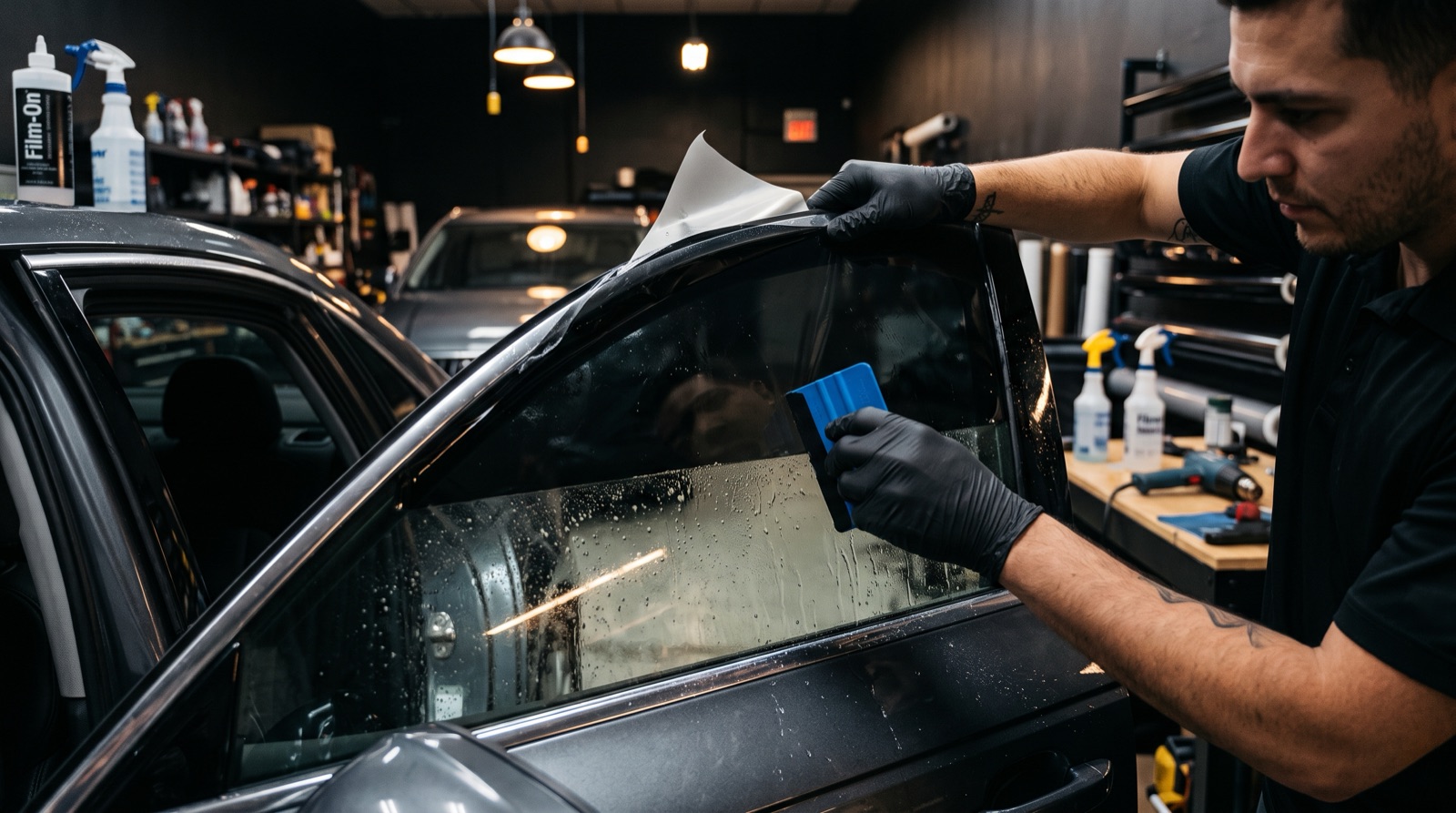
Window tinting is one of the most practical upgrades for a vehicle in the UAE — it reduces cabin heat, blocks harmful UV rays, and adds a layer of privacy, all while staying within legal limits when installed correctly. With Dubai's intense sun exposure for most of the year, tinting isn't just a cosmetic choice; it directly affects comfort, interior longevity, and even fuel or battery efficiency by easing the air conditioning system's workload.
Why Window Tinting Matters in the UAE
- Heat reduction: Quality film blocks a large share of solar heat, keeping the cabin noticeably cooler.
- UV protection: Tinting blocks the majority of harmful UV rays, protecting both skin and interior materials from sun damage.
- Interior preservation: Reduced UV and heat exposure slows down fading and cracking of dashboards, upholstery, and trim.
- Privacy and glare reduction: Tint reduces glare while driving and adds a layer of privacy for occupants and belongings.
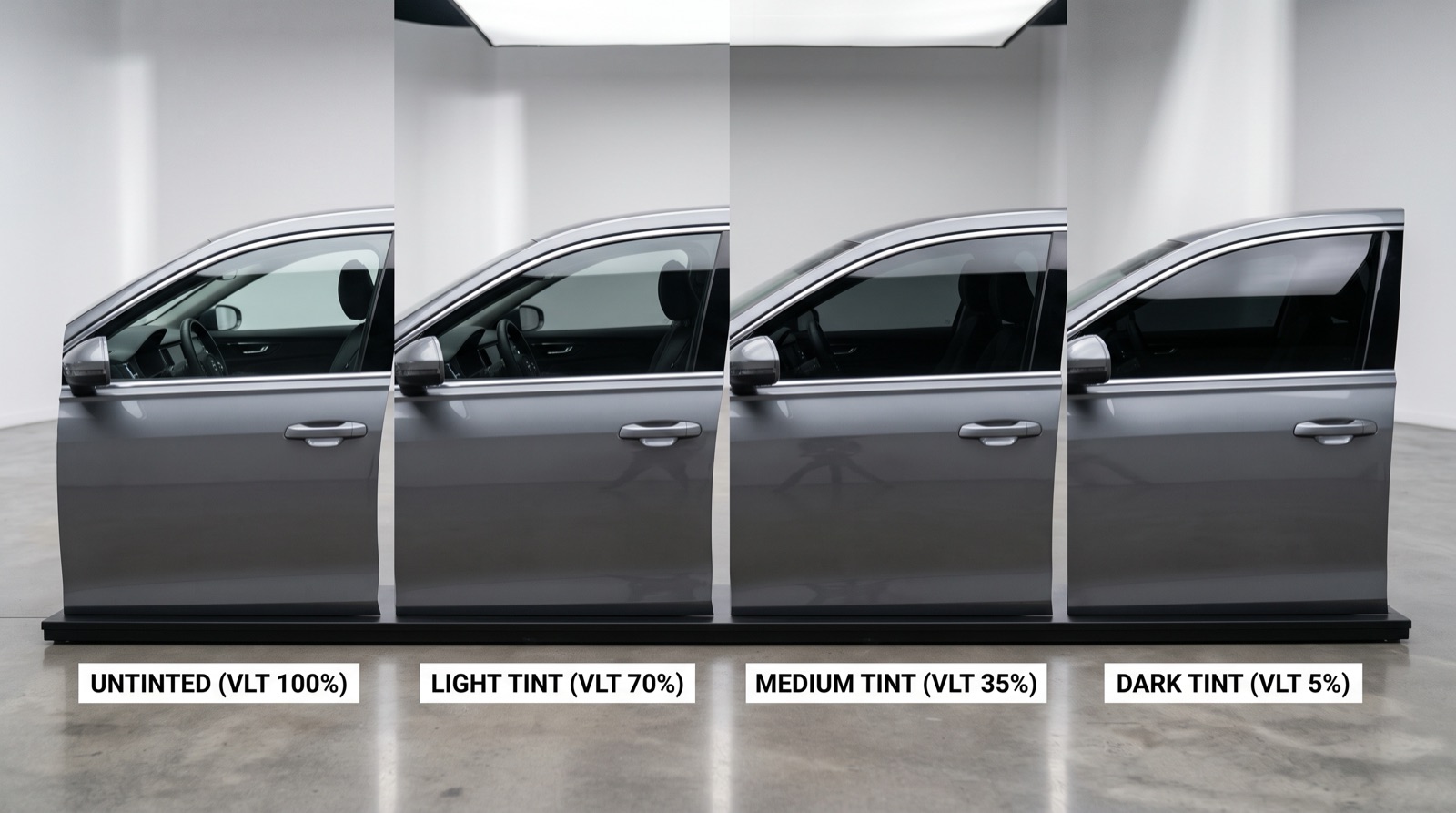
Understanding Tint Shades and Legal Limits
Window tint is measured by Visible Light Transmission (VLT) — the percentage of light that passes through the film. A lower VLT percentage means a darker tint. The UAE regulates permitted tint darkness, and requirements can differ depending on the emirate and which windows are being tinted (front windshield rules are typically stricter than rear windows). Choosing a compliant, professionally installed shade avoids fines and ensures the vehicle passes any required inspections.
The Window Tinting Installation Process
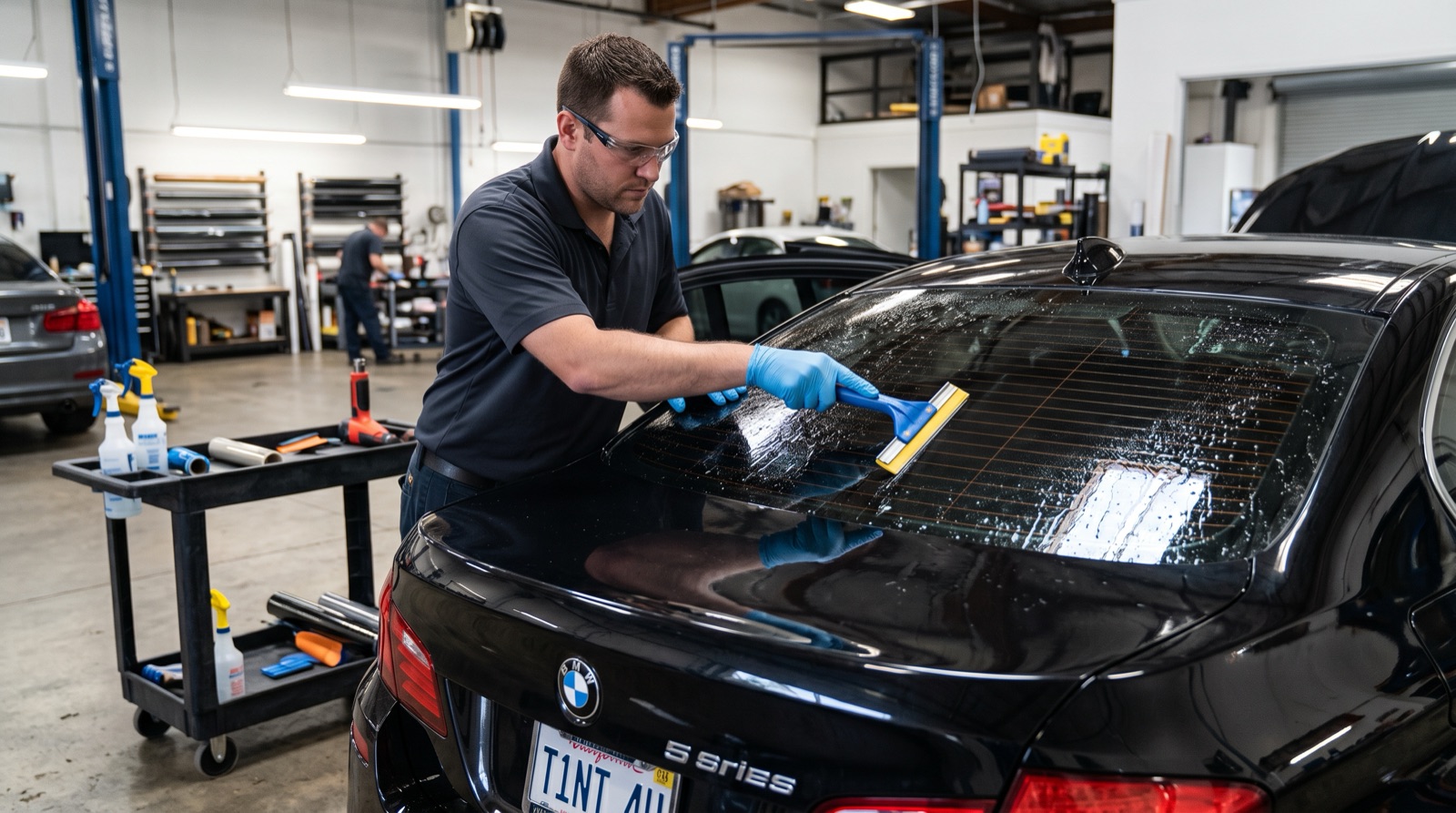
- Glass cleaning: Windows are thoroughly cleaned to remove dust and residue that could trap bubbles under the film.
- Precision cutting: Film is cut to match the exact shape of each window, often using computerized patterns for an accurate fit.
- Application: The film is applied using a solution that allows it to be positioned correctly before adhering.
- Squeegee and edge finishing: Air and excess solution are pressed out, and edges are finished cleanly around window seals.
- Curing: The film needs a curing period — during which windows should not be rolled down — for the adhesive to fully set.
Common Mistakes to Avoid
- Choosing tint that's too dark for legal limits: This can lead to fines and the cost of having the film removed and reapplied.
- Rolling windows down too soon after installation: This can lift the edges of freshly applied film before it has cured.
- Opting for low-grade film to save cost: Cheaper film is more prone to bubbling, purple discolouration, and reduced heat rejection over time.
- Skipping professional installation: DIY tinting often results in visible bubbles, misaligned edges, or trapped dust.
Film Grade Comparison
| Film Type | Heat Rejection | Typical Lifespan |
|---|---|---|
| Dyed Film (entry-level) | Low to moderate | 2–4 years before fading |
| Carbon Film | Moderate to high | 5–7 years |
| Ceramic Film (premium) | High, without signal interference | 7+ years with minimal fading |
How Auto Millennium Approaches Window Tinting
Through AutoCare 360, Auto Millennium installs window film with attention to legal compliance, precise fitment, and film quality suited to Dubai's climate — helping owners get lasting heat rejection and UV protection without the common issues associated with lower-grade installations.
Frequently Asked Questions
Is there a legal limit for window tint darkness in the UAE?
Yes. The UAE regulates how dark window tint can be, and permitted levels can vary by emirate. It's important to confirm current regulations before choosing a tint shade to avoid fines or having to remove non-compliant film.
Does window tint actually reduce heat inside the car?
Yes. Quality window film blocks a significant portion of solar heat and infrared radiation, which noticeably reduces cabin temperature and eases the load on the air conditioning system.
How long does professionally installed window tint last?
High-quality window tint, properly installed, typically lasts many years without significant fading or bubbling, whereas lower-grade film can discolour or peel much sooner, especially in intense sun exposure.
Can window tint be removed or replaced?
Yes. Old or damaged tint can be professionally removed without damaging the glass, and new film can then be applied. Attempting removal without the right tools can leave adhesive residue or scratch the window.