Vehicle Customization in Dubai: How VTX Transforms Cars for Dealers and Owners
By Auto Millennium | VTX – Vehicle Transformation Experts
Vehicle customization covers everything from OEM-style retrofits and lighting upgrades to interior and technology enhancements. For dealerships, distributors, and fleet operators across the UAE, customization is a practical tool: it differentiates inventory, aligns vehicles with regional buyer expectations, and adds real value before a sale. Auto Millennium delivers these services through VTX — Vehicle Transformation Experts, a division built specifically around dealer upgrades and vehicle enhancement.
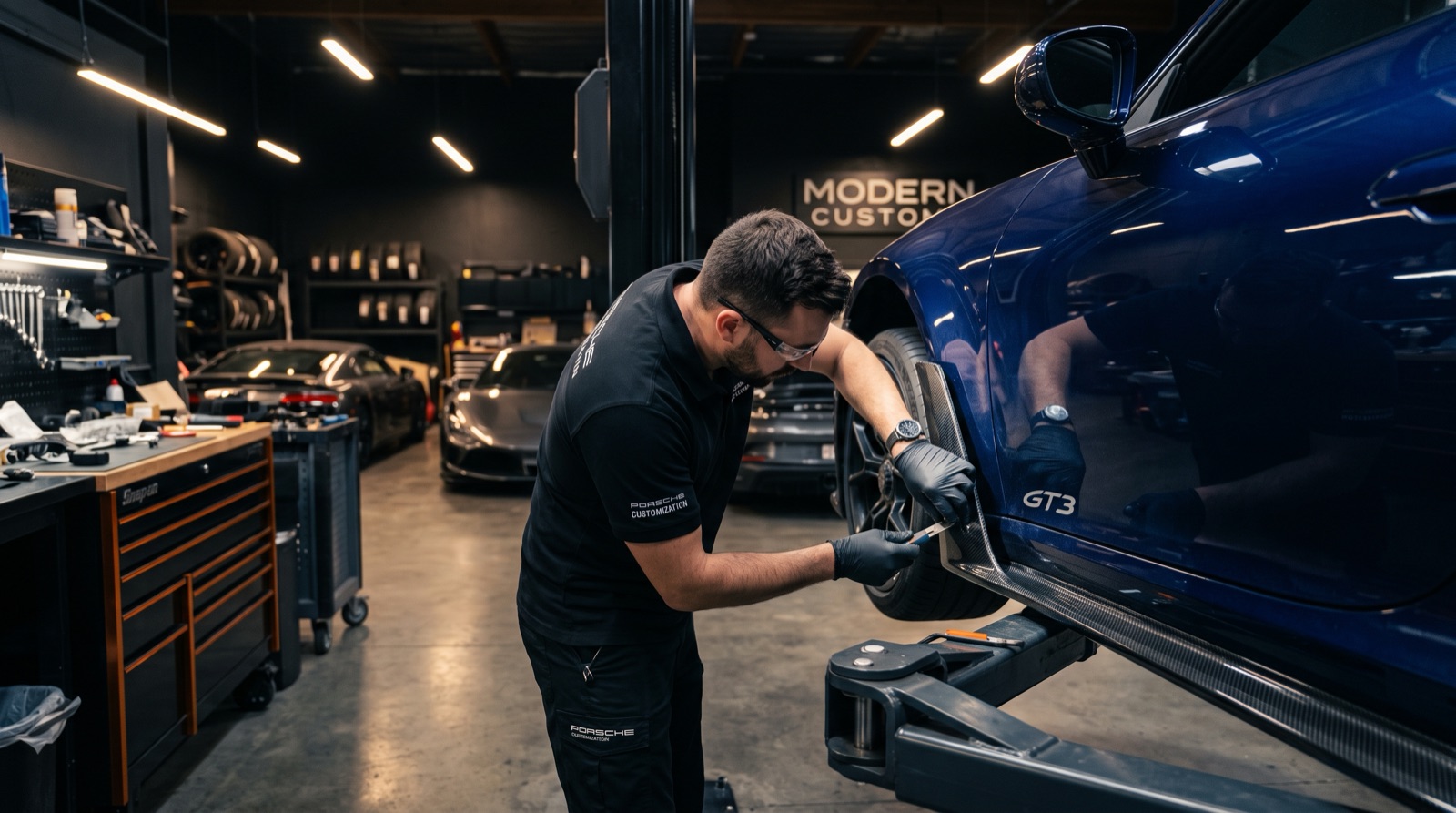
What Vehicle Customization Includes
Customization is a broad category, and not every vehicle needs the same treatment. VTX's scope covers several distinct areas:
- Dealer upgrades: Enhancements applied to new inventory to meet market-specific expectations.
- Retrofit solutions: Adding features a vehicle didn't originally come with, using OEM-style parts.
- Factory accessories: Installing manufacturer-grade accessories for a seamless, integrated look.
- Interior and exterior upgrades: From trim and upholstery enhancements to styling changes.
- Lighting upgrades: Modern lighting retrofits that improve both aesthetics and visibility.
- Technology upgrades: Integrating updated infotainment, connectivity, or driver-assistance features.
Why Dealerships and Distributors Rely on Customization Services
Automotive dealers operate in a competitive market where buyer expectations shift quickly. A vehicle that matches regional preferences — whether that's a specific lighting package, interior finish, or technology feature — is easier to sell and can justify stronger positioning. Customization services also allow dealers to standardize upgrades across an entire inventory batch rather than handling requests individually, which supports consistency and efficiency at scale.
OEM-Style vs Aftermarket: Why the Distinction Matters
One of the most important considerations in vehicle customization is the quality and origin of the parts used. OEM-style modifications are designed to integrate with a vehicle's existing systems and appearance, reducing the risk of fitment issues, electrical conflicts, or a mismatched finish. This is a core principle at VTX: upgrades are approached as an extension of the vehicle's factory design, not an obvious add-on.
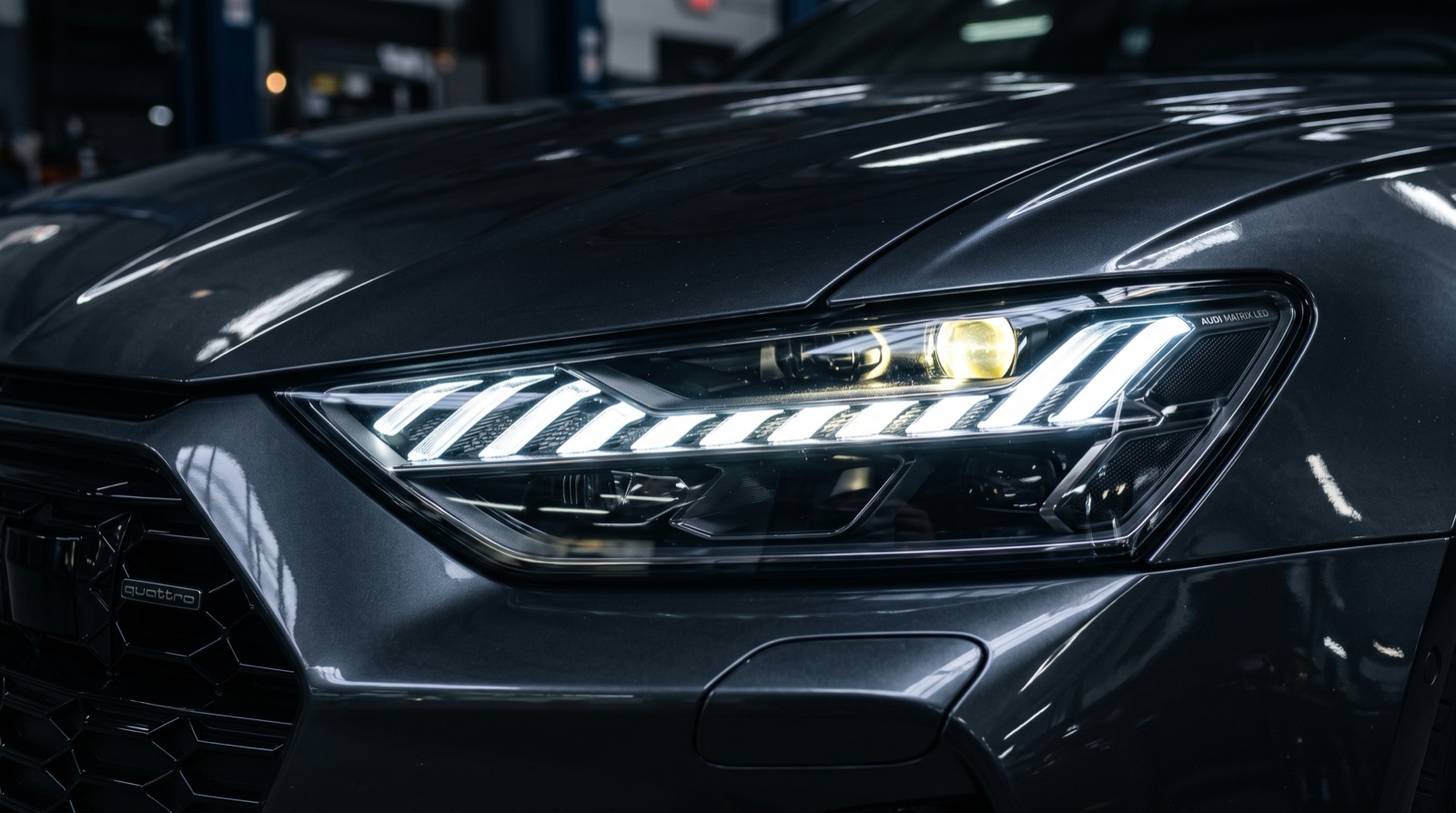
Pre-Delivery Inspection as Part of the Customization Process
For dealerships, customization is often paired with Pre-Delivery Inspection (PDI) — a quality-control step that verifies a vehicle is in proper condition before it reaches the customer. VTX integrates PDI alongside customization work, so upgraded vehicles leave the facility both enhanced and fully inspected.
Who VTX Works With
VTX primarily serves car dealerships, vehicle distributors, fleet companies, and luxury brands that require consistent, high-quality customization across multiple vehicles. Individual owners looking to personalize a single vehicle — through lighting, interior, or technology upgrades — can also work directly with VTX for tailored solutions.
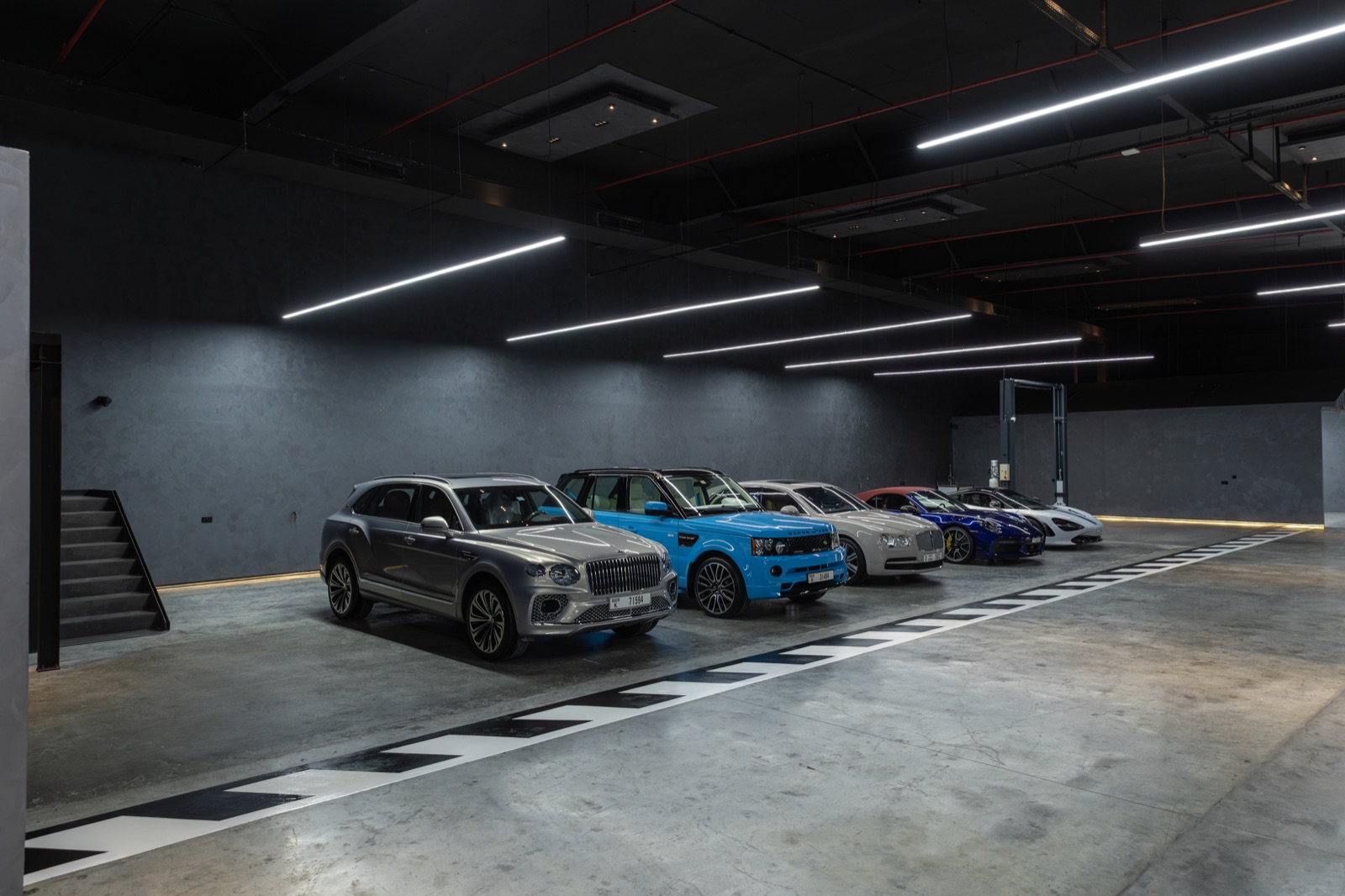
How the VTX Customization Process Works
Customization work at VTX generally follows a structured sequence, particularly when handling multiple vehicles for a dealership batch:
- Requirement scoping: Understanding the dealership's or owner's goals — market positioning, specific feature requests, or a personalization brief.
- Parts sourcing and verification: Selecting OEM-style or manufacturer-grade components that match the vehicle's existing systems.
- Fitment and integration: Installing upgrades with attention to electrical compatibility, panel alignment, and finish consistency.
- Quality check: Verifying that the upgrade functions correctly and matches the intended appearance before the vehicle moves forward.
- Pre-delivery integration: For dealership vehicles, customization is coordinated with PDI so the car is upgraded and inspected in one workflow.
Common Customization Mistakes Dealerships Should Avoid
- Using generic aftermarket parts: Poorly fitted components can create visible gaps, mismatched finishes, or electrical issues that undermine the vehicle's perceived value.
- Skipping a documented quality check: Without a final verification step, minor fitment or functionality issues can go unnoticed until the customer discovers them.
- Inconsistent upgrades across inventory: When customization varies from vehicle to vehicle, it can create an inconsistent brand experience across a dealership's lineup.
- Treating customization and PDI as separate processes: Handling them independently increases the risk of a vehicle leaving the facility with an issue that either process alone would have caught.
Customization Categories at a Glance
| Category | Typical Examples | Primary Purpose |
|---|---|---|
| Lighting Upgrades | LED retrofits, upgraded headlight/taillight assemblies | Aesthetics and visibility |
| Technology Upgrades | Infotainment, connectivity, driver-assistance features | Functionality and modern feature parity |
| Interior Upgrades | Trim, upholstery, ambient finishing | Comfort and perceived value |
| Exterior Upgrades | Styling accessories, factory-grade trim | Market positioning and appearance |
| Retrofit Solutions | Adding features not originally fitted, using OEM-style parts | Meeting regional buyer expectations |
Frequently Asked Questions
What is a retrofit in vehicle customization?
A retrofit is the installation of a feature or component that a vehicle did not originally come with from the factory, such as upgraded lighting, technology systems, or trim, using OEM-style parts and integration methods.
Why do car dealerships use vehicle customization services?
Dealerships use customization and upgrade services to differentiate inventory, meet specific buyer requests, prepare vehicles to regional market expectations, and increase the perceived value of a vehicle before sale.
Does customizing a vehicle affect its warranty?
It depends on the type of modification and the manufacturer's warranty terms. Reputable customization providers use OEM-style parts and professional installation methods to minimize the risk of warranty complications, but owners should confirm specifics with their dealership or manufacturer.
Can individual owners request customization, or is it only for dealers?
Both. While many customization and retrofit services are used by dealerships to prepare inventory, individual vehicle owners can also request upgrades such as lighting, interior, and technology enhancements for their personal vehicles.
How long does a typical vehicle customization project take?
Timelines vary depending on the scope of work, ranging from a single-day lighting or interior upgrade to several days for more extensive retrofits or a full batch of dealership inventory requiring consistent upgrades.
Can VTX customize an entire batch of dealership vehicles at once?
Yes. VTX is structured to handle both individual vehicle requests and larger dealership batches, applying consistent upgrade standards across multiple vehicles to support inventory preparation at scale.