Suspension Repair in Dubai: Signs Your Car Needs Attention
By Auto Millennium | Mechanic Clinic – Mechanical Workshop Division
A vehicle's suspension system does more than smooth out bumps — it directly affects handling, braking distance, and tire wear. Suspension components wear gradually, which means many drivers adjust to a rougher ride without realizing how much performance has declined. Auto Millennium's Mechanic Clinic identifies suspension wear early, restoring both comfort and safe handling.
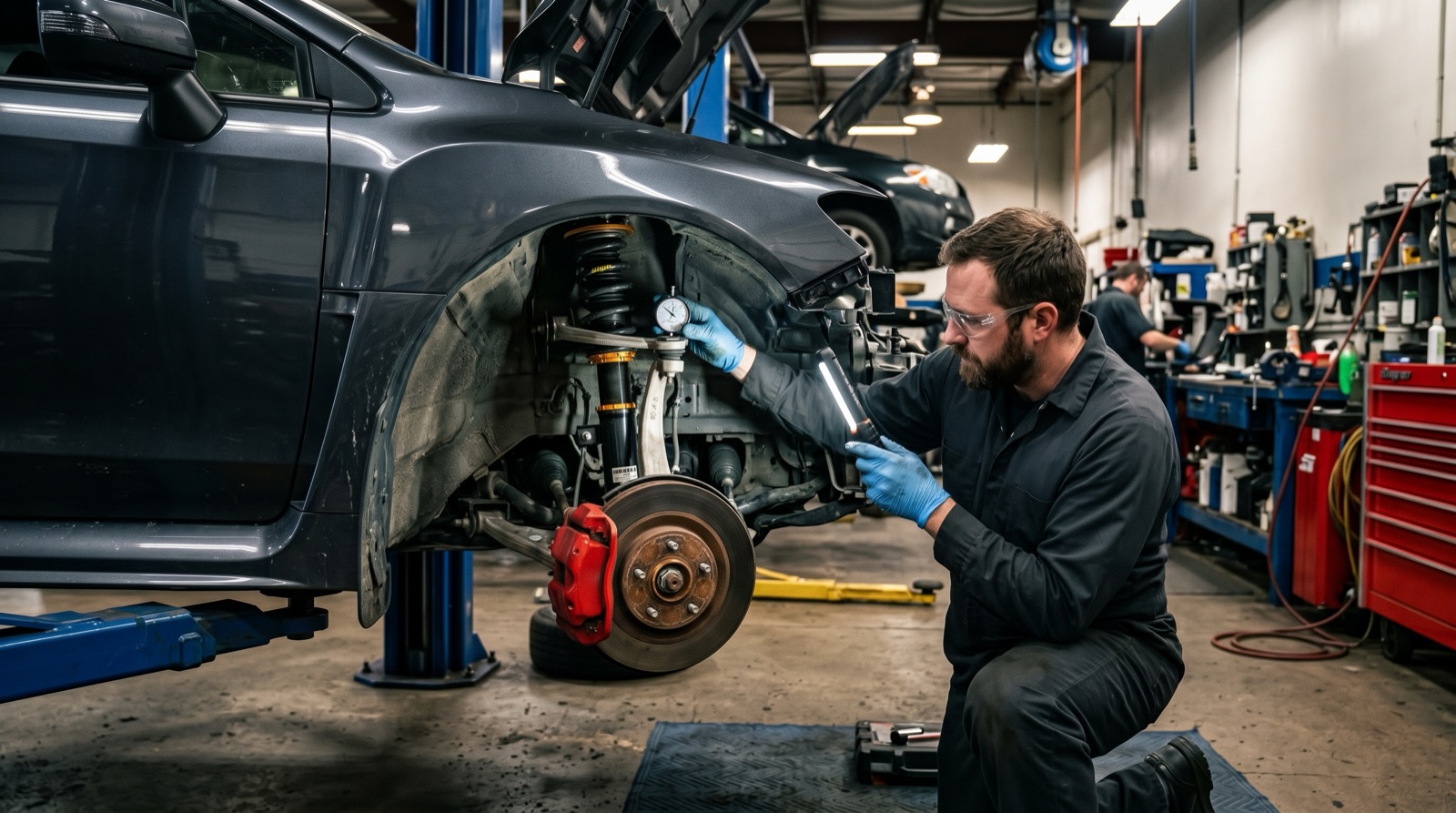
What the Suspension System Does
The suspension system connects the vehicle to its wheels, absorbing impact from the road while keeping the tires in consistent contact with the surface. This affects ride comfort, cornering stability, and braking performance — a suspension in poor condition can meaningfully increase stopping distance, even if the brakes themselves are working correctly.
Common Signs of Suspension Wear
- Excessive bouncing: If the vehicle continues bouncing several times after hitting a bump, shocks or struts are likely worn.
- Pulling to one side: Can indicate uneven suspension wear or alignment issues.
- Uneven tire wear: Suspension problems often show up first as irregular wear patterns on tires.
- Clunking or knocking noises: Usually points to worn bushings, links, or mounts within the suspension system.
- Nose-diving when braking: Excessive front-end dip during braking can indicate worn front struts.
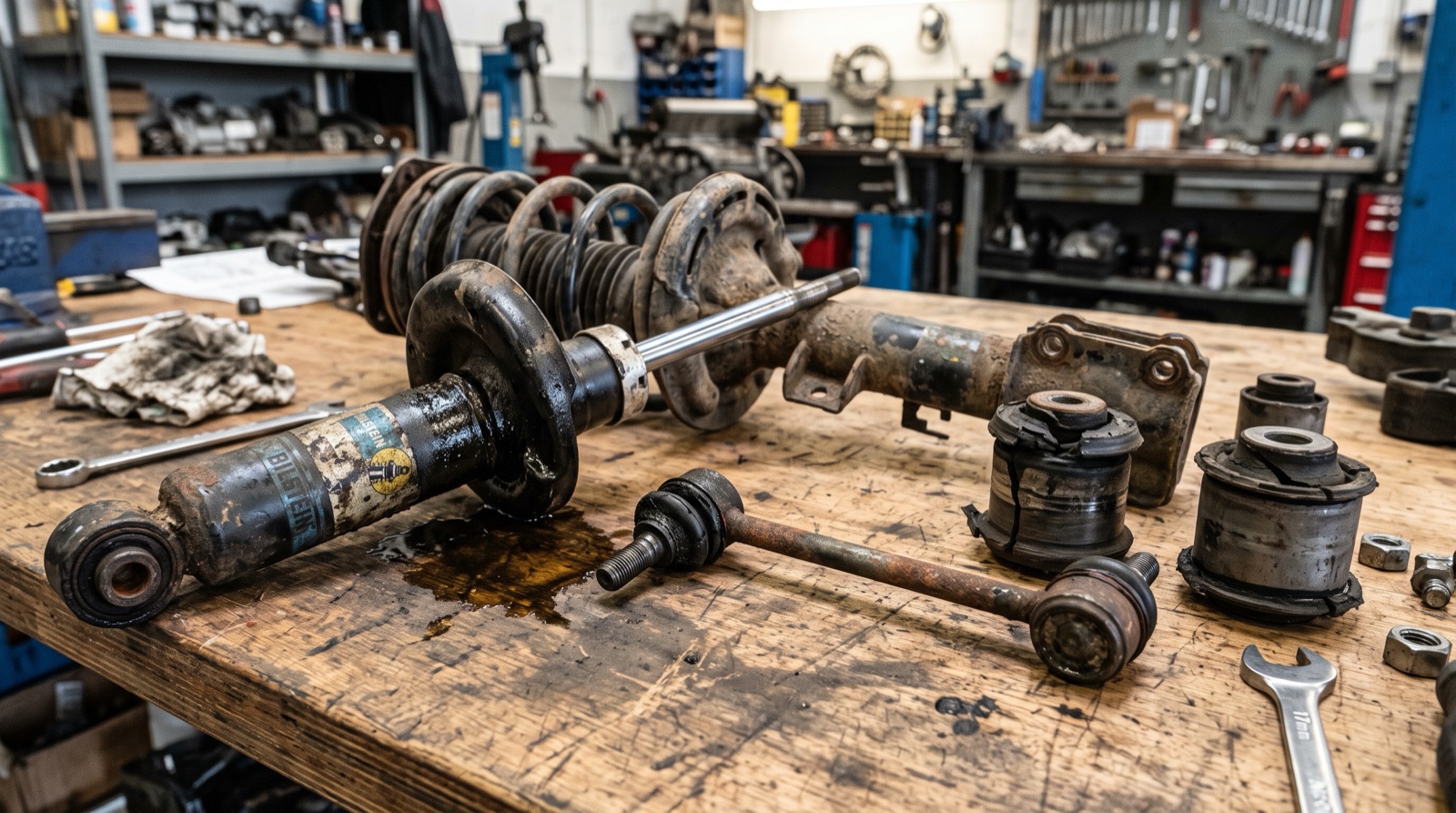
Why UAE Roads Accelerate Suspension Wear
Frequent speed bumps, potholes, and high-speed highway driving all place repeated stress on suspension components. Combined with extreme heat, which can affect rubber bushings and seals over time, vehicles in the UAE often experience suspension wear on a shorter timeline than in milder driving environments.
The Suspension Inspection Process, Step by Step
- Visual inspection: Checking shocks, struts, springs, and bushings for visible wear, leaks, or damage.
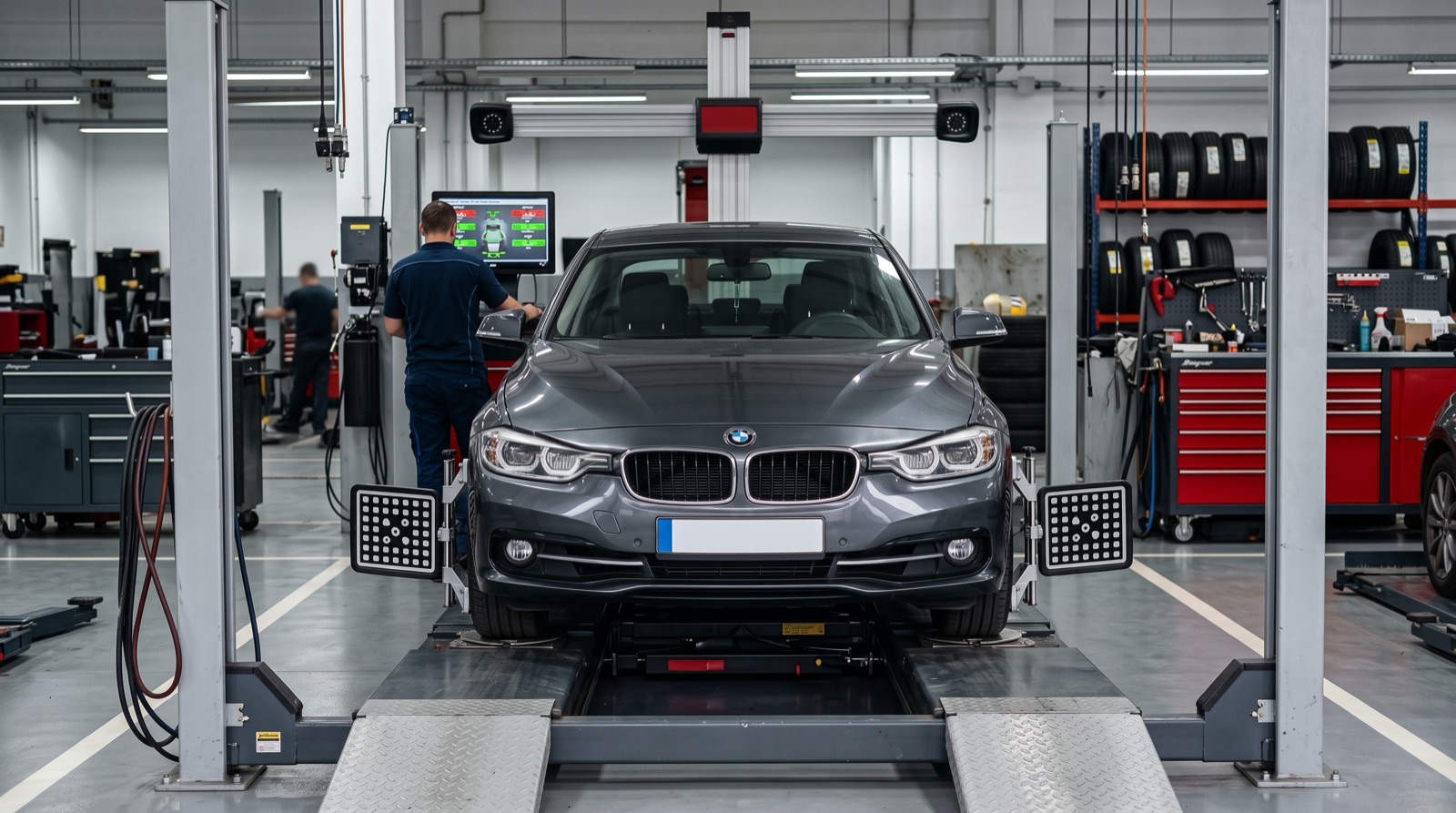
- Ride height and alignment check: Assessing whether the vehicle sits evenly and tracks straight.
- Road test: Evaluating handling, bounce recovery, and noise over varied road surfaces.
- Component replacement: Replacing worn shocks, struts, or bushings as identified.
- Post-repair alignment: Verifying alignment after suspension work to prevent uneven tire wear going forward.
Common Mistakes to Avoid
- Ignoring a gradually rougher ride: Suspension wear happens slowly, so many owners don't notice the decline until it's significant.
- Replacing shocks without checking alignment: New suspension components paired with an unresolved alignment issue can lead to uneven wear continuing.
- Overlooking bushings and mounts: These smaller components wear out too and are often missed in a basic visual check.
- Delaying repair after a hard pothole impact: A single hard impact can cause damage that isn't immediately obvious but worsens over time.
Suspension Symptom Reference Table
| Symptom | Likely Component |
|---|---|
| Excessive bouncing | Worn shocks or struts |
| Clunking over bumps | Worn bushings, links, or mounts |
| Pulling to one side | Alignment or uneven suspension wear |
| Nose-diving under braking | Worn front struts |
Frequently Asked Questions
What are the signs of a suspension problem?
Common signs include excessive bouncing after bumps, the vehicle pulling to one side, uneven tire wear, a noticeably rougher ride, or clunking noises over bumps and rough road surfaces.
How do potholes and speed bumps affect suspension components?
Repeated impact from potholes and speed bumps places extra stress on shocks, struts, and bushings, accelerating wear over time and sometimes causing sudden damage from a particularly hard impact.
How often should suspension components be inspected?
A general suspension check is often recommended as part of routine servicing, roughly every 20,000 to 30,000 kilometers, though this can vary depending on driving conditions and road surfaces.
Can worn suspension components affect tire wear?
Yes. Worn shocks, struts, or bushings can cause uneven weight distribution and alignment issues, which often show up as irregular or accelerated tire wear patterns.