Car Electrical System Repair in Dubai: Diagnosing Common Faults
By Auto Millennium | Mechanic Clinic – Mechanical Workshop Division
Modern vehicles depend on extensive electrical and electronic systems — far beyond the battery and lights most drivers think of first. From power windows to advanced driver-assistance features, a single wiring fault or failing sensor can cause symptoms that seem unrelated to their actual source. Auto Millennium's Mechanic Clinic uses structured diagnostic methods to trace electrical issues accurately rather than guessing at parts.
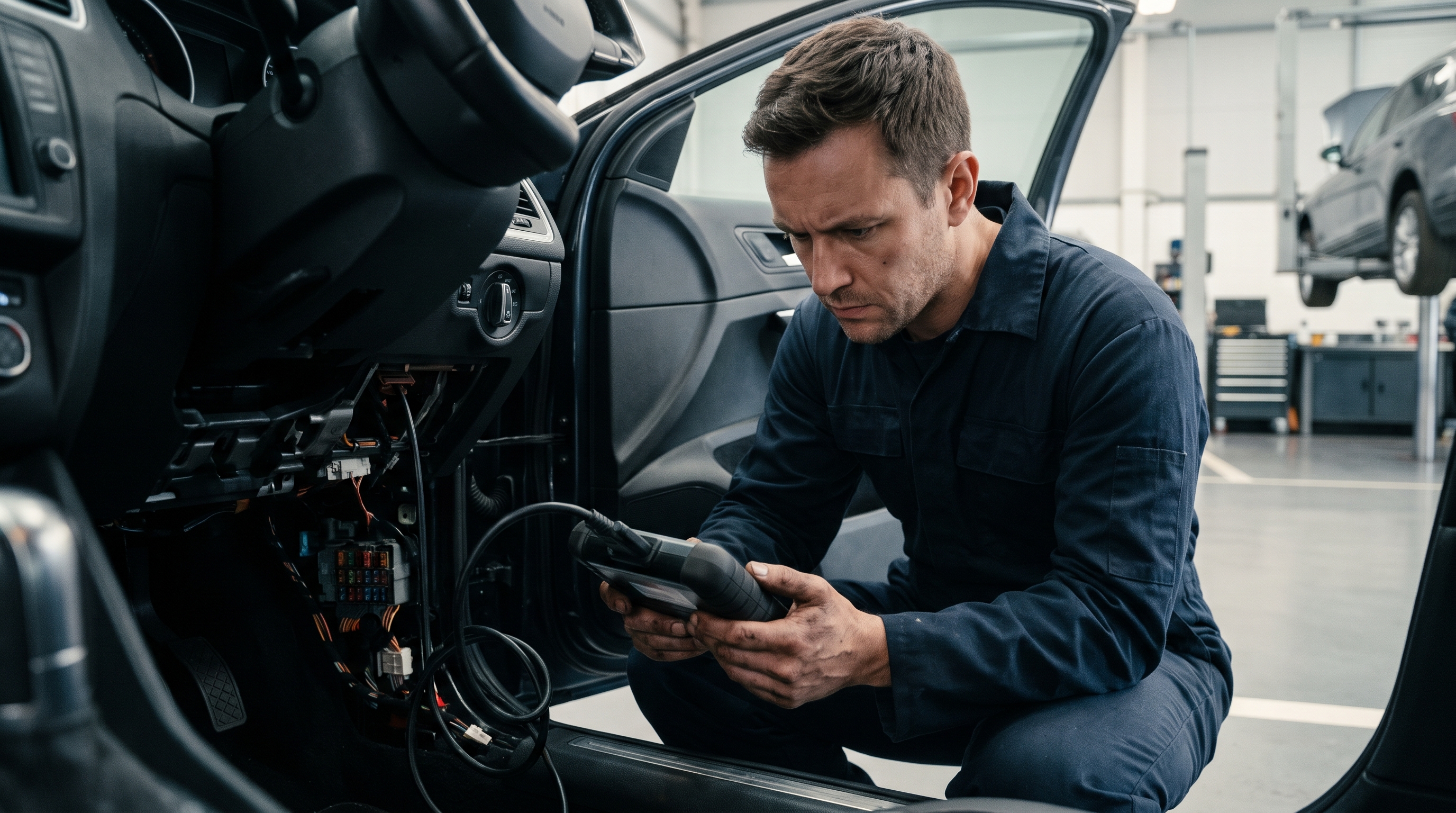
Common Electrical System Problems
- Flickering or dimming lights: Can point to a battery, alternator, or wiring connection issue.
- Power window or lock failures: Often caused by a faulty switch, motor, or wiring fault within the door.
- Unexplained warning lights: Sensors sending incorrect signals can trigger dashboard warnings without an obvious underlying cause.
- Intermittent electronic failures: Issues that appear and disappear are often linked to a loose connector or a wire chafing against another component.
- Starting issues despite a healthy battery: Can indicate a fault in the starter circuit or ignition system rather than the battery itself.
Why Electrical Faults Are Different to Diagnose
Unlike a worn mechanical part that can usually be seen or measured directly, electrical faults often hide within a circuit — a corroded connector, a chafed wire, or a failing sensor that only misbehaves under specific conditions. This is why proper diagnosis relies on tracing voltage and signal behavior through the system rather than replacing components based on assumption.
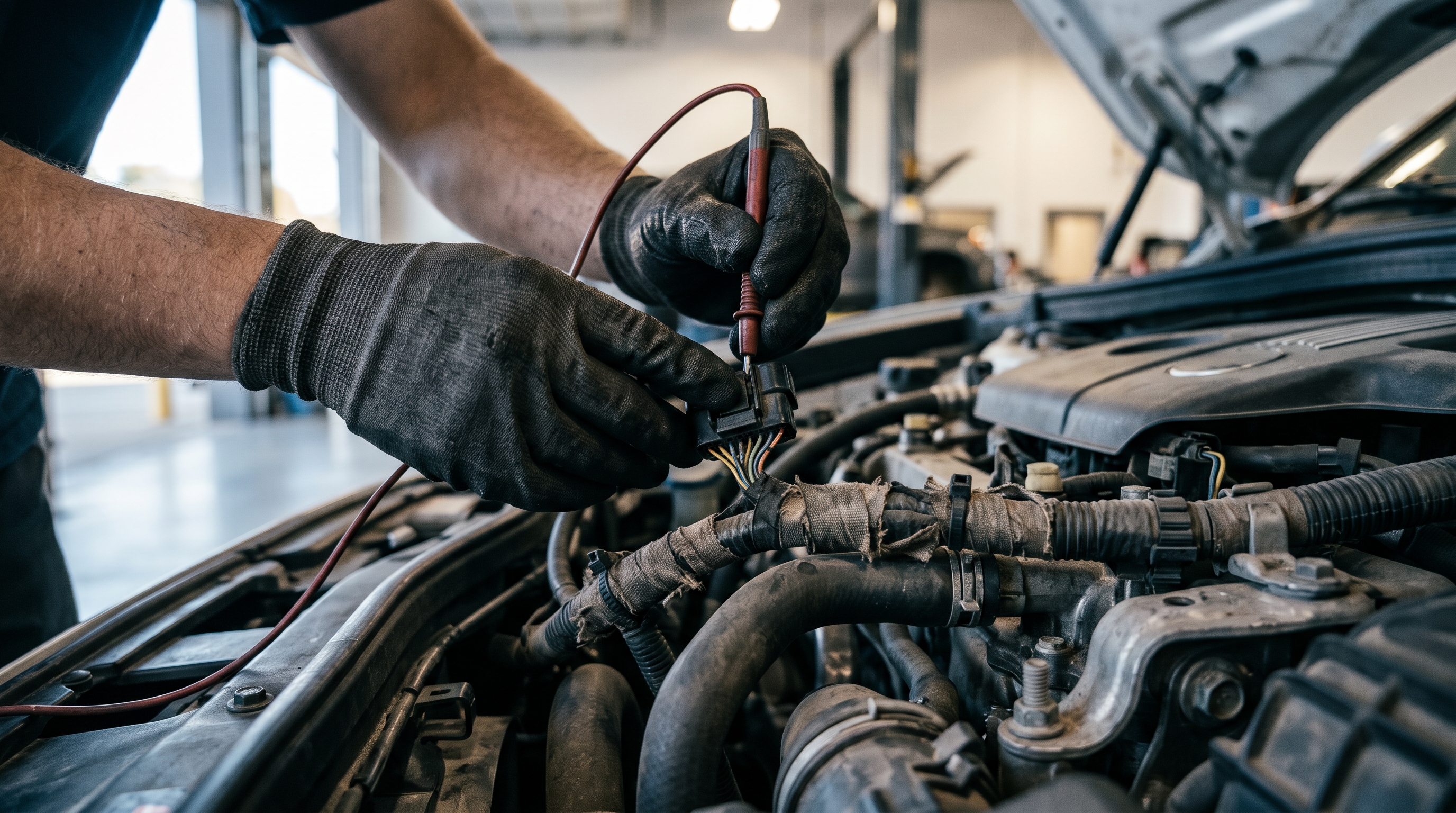
The Electrical Diagnostic Process, Step by Step
- Symptom review: Discussing when and how the issue occurs, since intermittent faults often have specific triggers.
- Computer diagnostic scan: Retrieving any stored fault codes related to electrical or sensor systems.
- Circuit testing: Using diagnostic tools to trace voltage and continuity through the relevant wiring and connectors.
- Component isolation: Narrowing down whether the fault lies in a sensor, module, wiring, or connection point.
- Repair and verification: Carrying out the repair, then testing under the original conditions that triggered the fault.
Common Mistakes to Avoid
- Replacing parts based on guesswork: Swapping components without proper diagnosis often fails to fix the actual issue and adds unnecessary cost.
- Ignoring intermittent faults: A problem that comes and goes often gets worse over time rather than resolving on its own.
- DIY wiring repairs without proper tools: Incorrect wiring repairs can create new faults or safety risks in other systems.
- Overlooking corrosion in connectors: Corrosion is a common but easily missed cause of intermittent electrical issues, particularly in humid coastal conditions.
Electrical Symptom Reference Table
| Symptom | Possible Cause |
|---|---|
| Flickering dashboard or headlights | Loose connection, alternator, or wiring fault |
| Power windows stop working | Faulty switch, motor, or wiring within the door |
| Intermittent warning lights | Failing sensor or loose connector |
| No response when starting | Starter circuit, ignition switch, or wiring fault |
Frequently Asked Questions
What are common signs of an electrical system problem?
Common signs include flickering lights, malfunctioning power windows or locks, warning lights that appear without a clear cause, intermittent electronic failures, or a vehicle that struggles to start despite a healthy battery.
Why are electrical faults harder to diagnose than mechanical ones?
Electrical faults are often intermittent and can originate anywhere along a wiring circuit, a connector, or a control module, which makes tracing the exact source more time-consuming than inspecting a visible mechanical part.
Can extreme heat cause electrical problems in a car?
Yes. Sustained high temperatures can accelerate wear on wiring insulation, connectors, and electronic components, occasionally leading to intermittent faults that are more common in hot climates than in milder ones.
Do modern cars need specialized tools for electrical diagnostics?
Yes. Modern vehicles rely on multiple interconnected control modules, which typically require manufacturer-level or advanced diagnostic scanners to accurately trace electrical faults across the vehicle's systems.