Car AC Service in Dubai: Why It Needs More Attention Than You Think
By Auto Millennium | AutoCare 360 Mechanical Services
In a climate where outside temperatures regularly exceed 45°C, a vehicle's air conditioning system isn't a comfort feature — it's essential equipment that works harder than in almost any other market. That extra strain means UAE vehicles are more prone to AC-related issues, from refrigerant loss to compressor wear, making regular servicing more important than many owners realize.

How a Car AC System Works
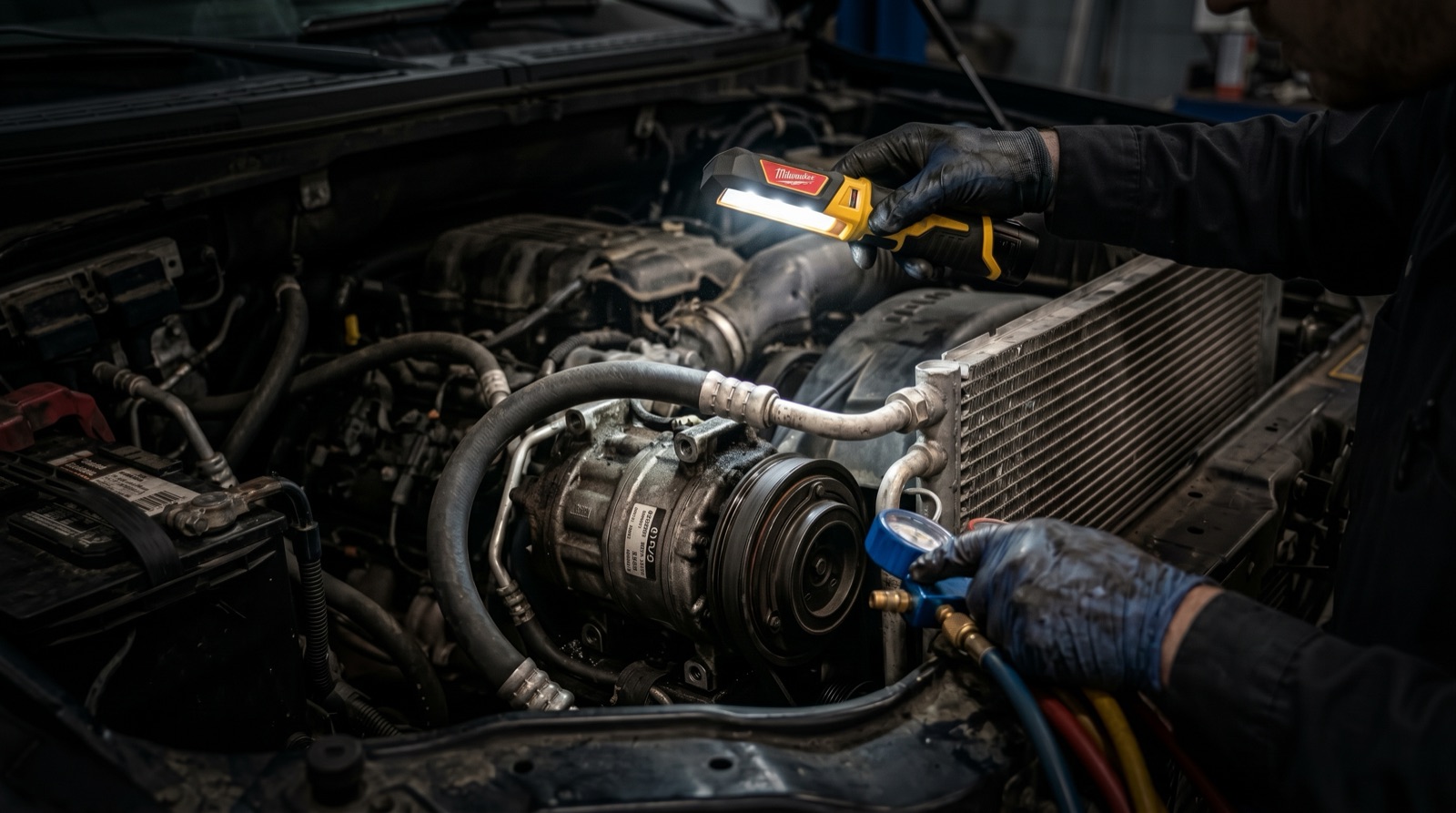
A vehicle's AC system relies on refrigerant circulating through a compressor, condenser, and evaporator to remove heat and moisture from cabin air. Each component depends on the others functioning correctly — a leak, blockage, or failing compressor anywhere in the system reduces overall cooling performance, sometimes gradually and sometimes suddenly.
Common AC Problems in Extreme Heat
- Refrigerant leaks: Even small leaks reduce cooling capacity over time and typically worsen if left unaddressed.
- Compressor wear: Constant use under high heat accelerates wear on the compressor, the system's core component.
- Blocked or dirty condenser: Dust and sand can accumulate on the condenser, reducing its ability to dissipate heat.
- Cabin filter buildup: A clogged cabin air filter restricts airflow and reduces cooling efficiency, even when the rest of the system is functioning properly.
What a Professional AC Service Includes
- Performance check: Measuring cabin temperature output and airflow to assess overall system performance.
- Leak detection: Identifying refrigerant leaks using specialized detection equipment.
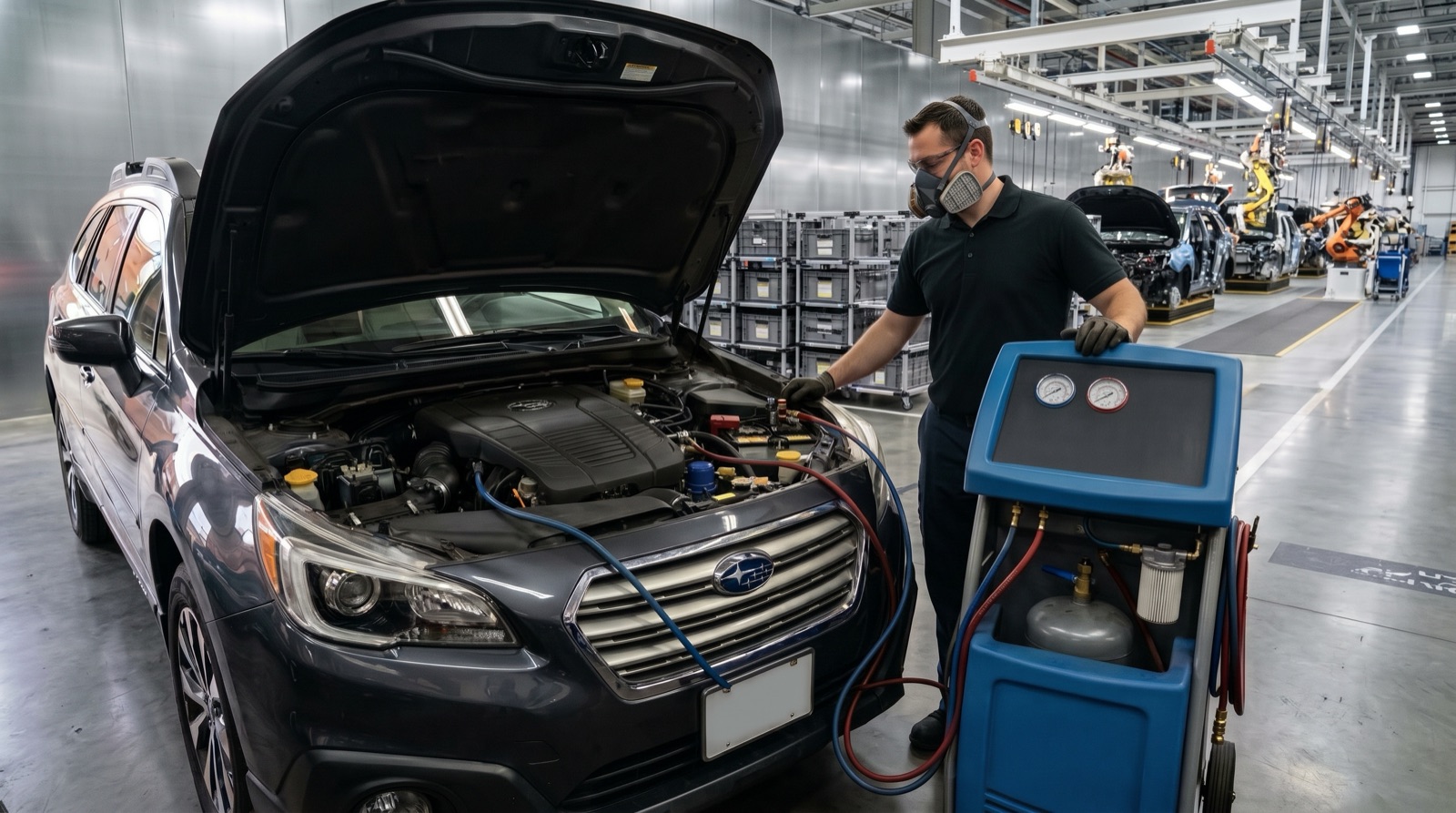
- Refrigerant recharge: Restoring refrigerant to the correct level once any leaks are addressed.
- Component inspection: Checking the compressor, condenser, and related components for wear or damage.
- Cabin filter replacement: Replacing a clogged filter to restore proper airflow.
Common Mistakes Vehicle Owners Make
- Ignoring gradually reduced cooling: A slow decline in AC performance is often dismissed until it becomes a major issue, when addressing it earlier is usually simpler and less costly.
- Topping up refrigerant without checking for leaks: Refilling refrigerant without diagnosing a leak just means the problem returns.
- Neglecting the cabin air filter: A simple, inexpensive filter replacement is often overlooked despite its direct impact on cooling performance.
- Delaying service until the AC fails completely: By the time cooling stops entirely, the underlying issue has often had time to worsen or affect other components.
AC Issue Symptoms and Likely Causes
| Symptom | Likely Cause |
|---|---|
| Warm air despite AC being on | Low refrigerant, failing compressor, or blocked condenser |
| Weak airflow | Clogged cabin filter or blocked ventilation |
| Unusual noise when AC is running | Worn compressor or loose component |
| Musty odor from vents | Bacterial or mold buildup in the evaporator, usually needing a cleaning service |
Frequently Asked Questions
How often should a car AC system be serviced?
Most manufacturers recommend an AC system check at least once a year, though vehicles used constantly in extreme heat may benefit from more frequent inspection to catch refrigerant loss or component wear early.
Why does my car's AC blow warm air sometimes?
This is commonly caused by low refrigerant levels, a failing compressor, or a blocked condenser, all of which reduce the system's ability to cool effectively, especially under sustained high outside temperatures.
Is it normal for AC performance to drop after a few years?
Some gradual refrigerant loss over time is common due to natural seal permeation, but a significant or sudden drop in cooling performance usually indicates a leak or component issue that should be diagnosed.
Can a bad AC system affect the vehicle's engine or fuel efficiency?
Yes, indirectly. A struggling AC compressor can place additional load on the engine, and in some cases an inefficient system encourages drivers to run it harder, which can slightly affect fuel or battery consumption.